Bar supervisor: in charge of the shift, not the business
A bar supervisor runs the bar for a shift: the float, the breaks, the refusals and the cash-up. What the job involves, and when a bar is ready for one.
Covers · · 5 min read
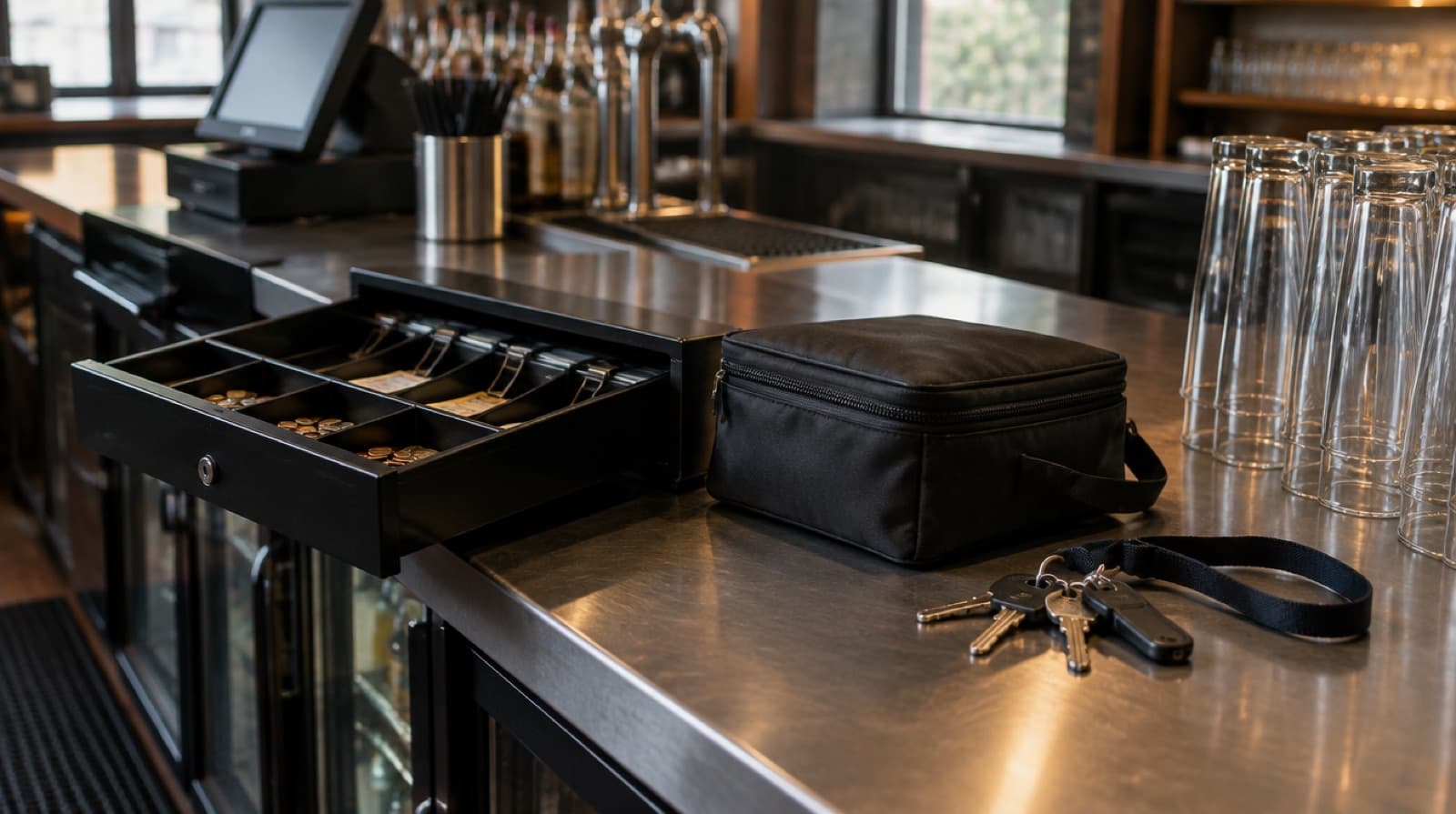
Somebody has to hold the keys. On the nights the bar manager is off, and on plenty of nights when they are on but buried in an order, the person deciding who goes on break, who gets refused and whether the ice will last is the bar supervisor.
It is the first step on a bar team where the job is partly about other people’s work rather than your own. A supervisor still serves, often more than anybody, but they are also the one looked at when something goes wrong.
A shift from open to close
- 1Opening: count the float into the tills, check the fridges and the ice well, make sure garnish is cut and the glass washer is running clean, and read whatever the previous close left in the handover book.
- 2Briefing the team: who is on which station, what is off or low, any bookings or large groups, anything the manager wants pushed.
- 3During service: moving people to where the queue is, covering the well when someone falls behind, calling the barback for stock before it runs out rather than after.
- 4Breaks: sending people in turn so nobody works a long shift without one, and so the bar is never left with only the newest bartender on it.
- 5Refusals and incidents: being the person a bartender calls when a customer is too drunk, underage or aggressive, and backing the refusal.
- 6Closing: last orders, clearing the floor, cashing up each till against its reading, logging voids and wastage, and locking up or handing the keys on.
The pressure points are the ends of the shift. At the start, a missing float or a broken glass washer can wreck the first hour. At the end, a cash-up that does not balance has to be explained before anyone goes home.
Why a bar puts one on
A small bar with a manager who works every busy shift may not need a supervisor at all. The manager is there, makes the calls, and cashes up.
The need arrives when the bar opens more hours than one manager can cover. Seven nights, late licences, a daytime trade as well as an evening one: at some point the manager is off, and somebody else has to be trusted with the tills and the decisions. The alternative, leaving a senior bartender in charge without the title, the pay or the authority, tends to work until the first bad night.
Other signs: cash-ups that are regularly short with no one accountable, bartenders who refuse to refuse because nobody backs them, and a manager who cannot take a holiday without being rung.
Supervisor, head bartender, bar manager
The supervisor runs the shift. The bar manager runs the bar: stock, suppliers, margins, the rota, hiring. A head bartender, where the title exists separately, leads on the drinks and the technique. A supervisor may place a top-up order or do part of a stocktake, but owning those numbers is the manager’s job, and an advert that expects both for a supervisor’s pay is describing a bar manager.
Where the role sits
A bar supervisor reports to the bar manager, or in a restaurant or hotel to whichever manager runs the floor that night. They run the bartenders and barbacks on shift. In a venue with a duty manager, the supervisor looks after the bar and the duty manager looks after the building, and the two need to agree before a refusal becomes an ejection.
Handover goes both ways. The supervisor receives the plan for the night from the manager and hands back what happened: what ran out, what was refused, what the till said, anything broken.
What venues are really looking for
- Calm at the busiest moment, because the team takes its pace from the person in charge.
- Comfort with cash and tills, including finding the error when a drawer is out.
- Willingness to say no to a customer, and to a colleague.
- A licensing basics level of knowledge: what the premises allows, what the age policy is, how refusals are recorded.
- Being quick behind the bar, since a supervisor who cannot make the drinks loses the team’s respect fast.
The difference between an adequate supervisor and a good one shows in the handover book. An adequate one writes “busy night, all fine”. A good one writes what ran low, which bartender needs help on the cocktail list, and which regular was refused and why.
Getting into it and moving on
Supervisors are usually promoted from bartending, often within the same bar, after being the person others already turn to. Asking to shadow a cash-up and a close is the practical first step. Some venues will support a personal licence at this stage, which helps later.
The next step is usually bar manager, or assistant manager in a pub or restaurant. Some supervisors go the other way into cocktail work and head bartender roles, where the focus is the drinks rather than the running of the room.
In the advert
Give the hourly rate or salary, the closing times on the latest nights, and how the tronc treats supervisors. Say whether the role holds keys and closes alone, how many bartenders it runs, and whether close-down time is paid.
Rates for bar roles, from live adverts: the bar pay page
The next step up: what a bar manager does
Supervisor and bartender vacancies: browse bar jobs