The head housekeeper, and why a hotel's reviews depend on one
A head housekeeper runs the rooms: the allocation, the inspections, the linen and the team. What the job involves and when a hotel needs one in charge.
Covers · · 5 min read
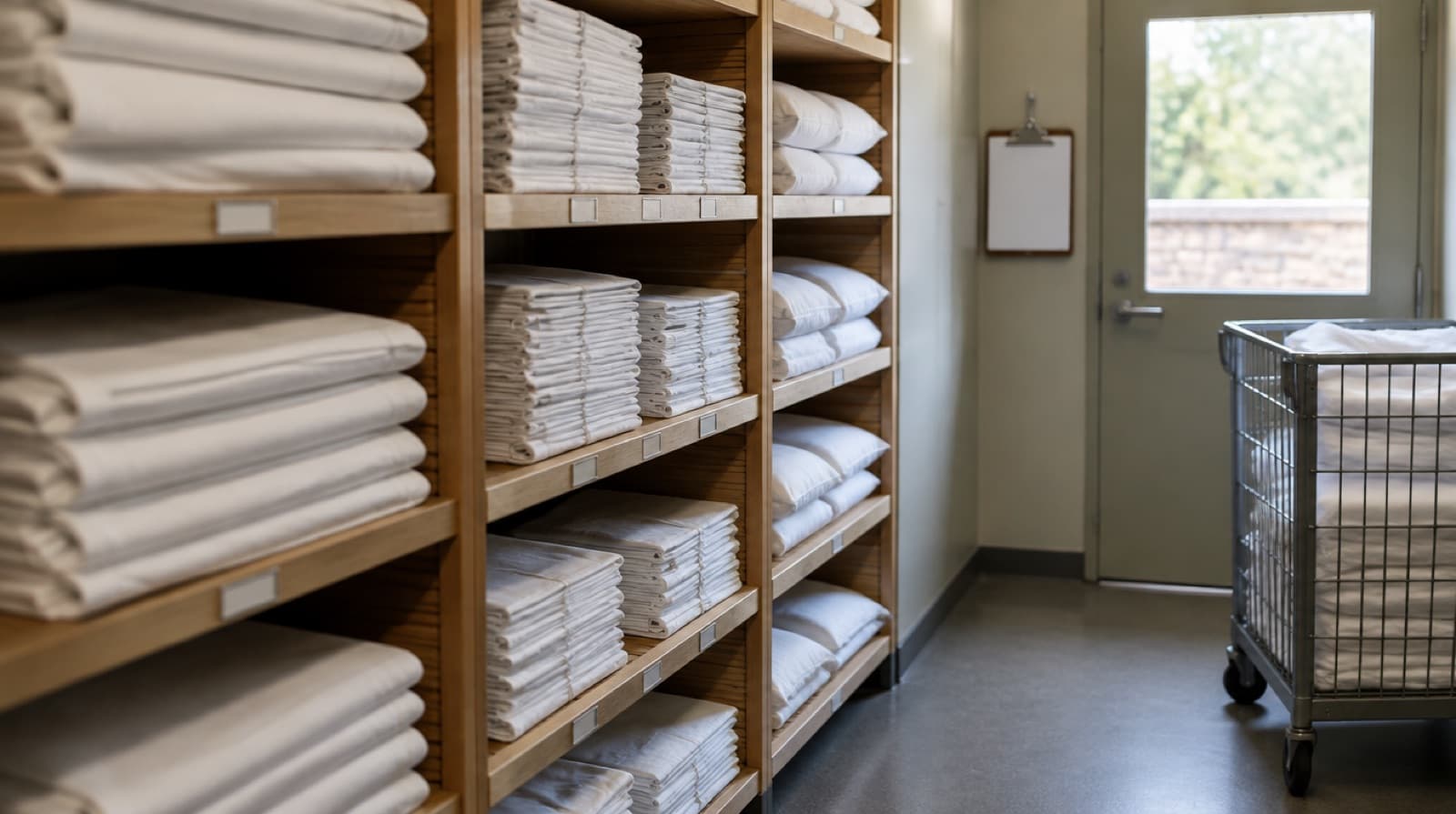
The head housekeeper is responsible for the condition of every bedroom, corridor and public area in a hotel, and for the team that keeps them that way. In a large hotel the title may be executive housekeeper, running a department with its own supervisors, linen porters and laundry. In a small one the head housekeeper may lead a handful of attendants and still strip beds on a short-staffed morning. Either way, the job is the same at heart: every room ready, to standard, when reception needs it.
Planning the day before it starts
The day begins with numbers from the property management system: tonight's departures, stayovers, arrivals and any early check-ins or late checkouts already agreed. From that the head housekeeper builds the allocation, deciding which attendant takes which rooms, balancing departures and stayovers fairly across the team and putting the rooms needed first at the top of the list. A VIP arrival, a room back in service after maintenance or a group arriving at noon all change the order.
Then the briefing, with anything specific for the day: a guest with an allergy to feather pillows, a floor being deep cleaned, a reminder about a standard that slipped last week.
The rest of the job
- Inspections. Checking finished rooms before they are released to reception, either personally or through supervisors, and sending back any that fall short.
- Linen and stock. Keeping enough sheets, towels and toiletries in circulation, managing the laundry contract or the in-house laundry, and noticing when linen is disappearing faster than it should.
- The deep-clean programme. Mattresses turned, curtains cleaned, carpets shampooed and rooms taken out of service on a rolling plan, so the hotel does not age all at once.
- Chemicals and safety. Making sure cleaning products are stored and used properly and that the team is trained to do both.
- Lost property. A register, a secure store, and a policy for how long items are kept and how they are returned.
- The rota, recruitment, training and the housekeeping budget.
The work with chemicals falls under the rules on hazardous substances, and the Health and Safety Executive publishes what an employer has to do about them.
Why a hotel puts somebody in charge of housekeeping
Room attendants can clean rooms without a head housekeeper. What they cannot do on their own is keep a standard across a whole building, day after day, while occupancy swings and staff come and go. Without a single person owning it, the standard drifts, and it drifts in the places guests notice: the dusty skirting board, the stained towel, the room sold with a broken lamp.
A hotel has usually reached the point of needing a head housekeeper when:
- Reception is constantly asking which rooms are ready and nobody can answer with confidence.
- Cleanliness appears again and again in guest reviews.
- Linen costs are rising, or stock is short on busy weekends.
- The general manager or owner is spending mornings inspecting rooms and building rotas for the attendants.
- Attendants leave quickly, often because allocation feels unfair or nobody trains them properly.
A small guest house or a hotel with a few rooms rarely needs the full role. A senior attendant with responsibility for checking rooms and ordering stock covers it. Hotels that outsource housekeeping to a contract cleaner still usually keep someone on their own side to inspect, because the contract only protects the standard if somebody checks it.
Position in the hotel
The head housekeeper reports to the general manager, or in larger hotels to a rooms division manager who also oversees front office. Beneath them are assistant head housekeepers, floor supervisors, room attendants, linen and housekeeping porters and public area cleaners. Housekeeping's relationship with reception is the one that matters most day to day, since room status passes between the two constantly, and with maintenance, which fixes what the attendants report.
Strong versus adequate
An adequate head housekeeper gets the rooms done. A strong one gets them done while keeping the team. That means fair allocation, realistic targets, proper equipment, and the kind of respect that makes an attendant stay through a hard season. It also means an eye for detail that does not tire: they walk into a room and see the one thing wrong before anything else.
Commercial awareness separates the best. They know what linen, laundry and labour cost per occupied room, they plan deep cleans around quiet periods, and they can argue for a new vacuum or a replacement mattress programme in terms a general manager will fund.
The route to it
Head housekeepers generally come up through housekeeping itself: room attendant, floor supervisor, assistant head housekeeper. Some move from smaller hotels to larger ones to take on bigger teams. The next step is executive housekeeper in a larger property or group, rooms division manager, or a cluster role looking after housekeeping across several hotels.
Advertising the job
State the salary and the team size. Say how many rooms the hotel has, whether laundry is in-house or contracted, whether the role works weekends, and whether housekeeping is included in the hotel's tronc. Candidates at this level also want to know how much of the day is hands-on cleaning and how much is management.
The rules on cleaning chemicals at work: COSHH on the HSE website
Advertised pay across hotel roles: hotel and rooms pay
The team a head housekeeper runs: what a room attendant does