Pub manager: the licensee, the landlord and the person who lives upstairs
A pub manager runs a pub as its licensee: bar, cellar, kitchen, building and regulars. How managed, tenanted and leased pubs change what the job asks.
Covers · · 5 min read
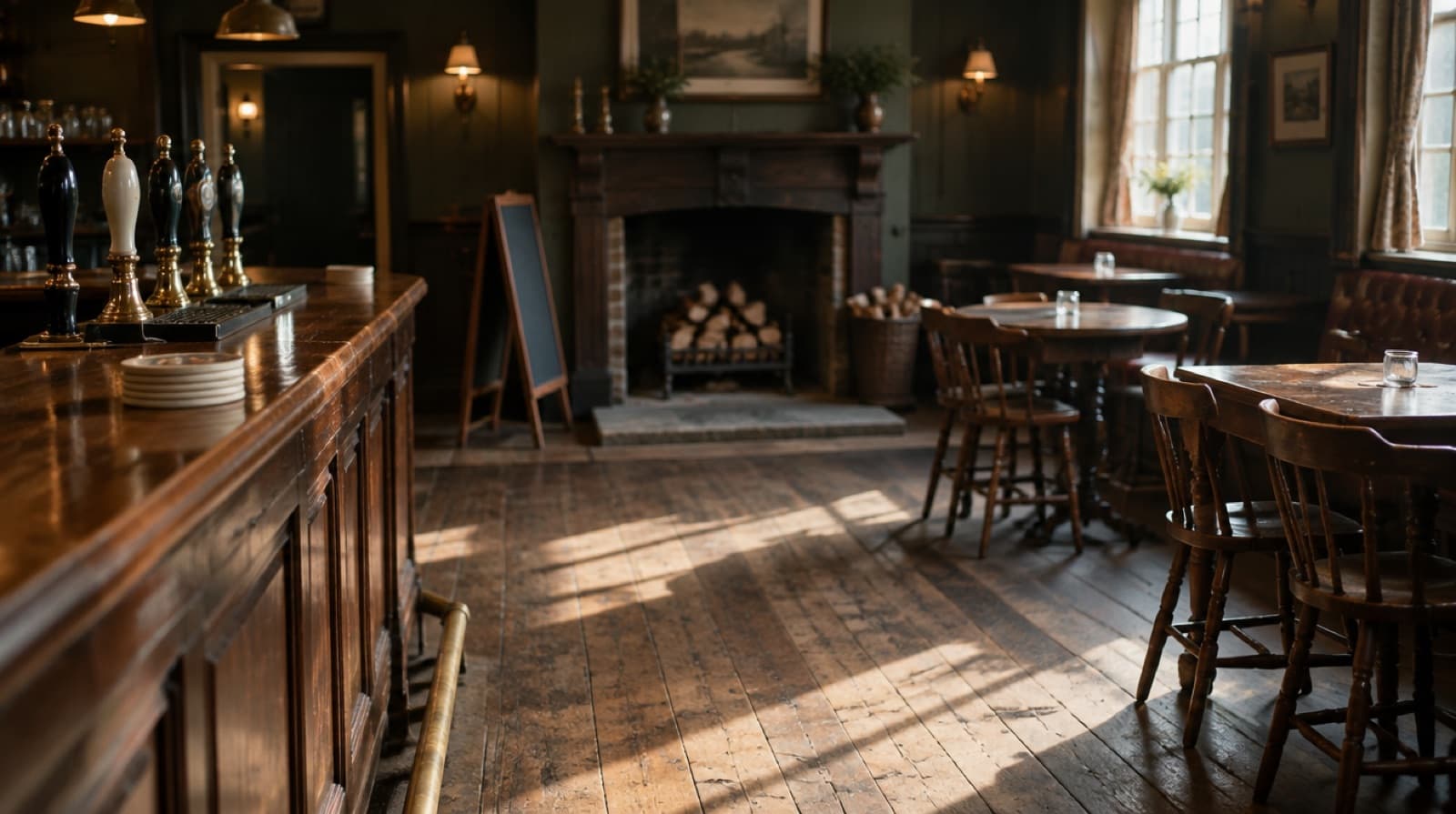
In most jobs the manager goes home at the end of the day. In plenty of pubs the manager goes upstairs. Living on the premises is not universal, but it is common enough to shape the role: the pub manager is the person responsible for the building day and night, the one whose name is on the licence, and the one the regulars mean when they say “the landlord”.
The licensee part
What makes a pub manager different from a restaurant or bar manager is the licence. In England and Wales every premises selling alcohol needs a designated premises supervisor, named on the premises licence, who holds a personal licence. In a pub, that person is usually the manager. It makes them the first point of contact for the police and the licensing authority, and personally answerable for how alcohol is sold on the premises. Scotland has its own system with similar ideas and different names.
Premises licences, personal licences and the designated premises supervisor: alcohol licensing on GOV.UK
In practice the licensee part means knowing the licence conditions by heart, training staff on refusals and the age policy, keeping the refusals log, managing the door on busy nights, and knowing the local licensing officer by name before anything goes wrong rather than after.
Managed, tenanted, leased
Pubs are run in three broad ways, and the same job title means different things in each.
- Managed house: the pub company owns and runs the pub and employs the manager on a salary, sometimes as a couple. The company sets the prices, the range and the systems; the manager runs the pub within them.
- Tenancy: the operator rents the pub from a pub company, usually buys beer through it, and keeps the profit after rent and costs. They are self-employed and are the business, not its employee.
- Lease: similar to a tenancy but longer and with more responsibility for the building.
A job advert for a pub manager on Covers is an employed role, which means a managed house or a pub run by an independent owner. Anyone weighing a tenancy is looking at a business decision, not a job.
What the rest of the job is
A pub manager is a general manager of a small business with a bar at its centre, and in smaller pubs is also the cellar manager, the bar manager and a fair share of the bar staff. A week covers:
- The cellar: deliveries, cask rotation and line cleaning, or overseeing whoever does them.
- The kitchen, if there is one: working with the chef on the menu and the margins, and covering food safety records.
- Staff: hiring, rotas, training and payroll inputs for a small team, often including casual staff for busy weekends.
- Takings and banking, stocktakes with a stocktaker, and the weekly figures for the owner or pub company.
- The building: repairs, the garden, the fire checks, the heating, and being there when the contractor turns up.
- The trade itself: quiz nights, match days, live music, the darts team, and the regulars whose loyalty keeps a pub alive through the quiet months.
The hours are long and not tidy. With the pub downstairs, the line between being on and being off is set by the manager’s own discipline, and the best pub managers protect their days off hard.
When an owner hires one
An independent owner who runs the bar themselves is their own pub manager and may only need an assistant or a couple of reliable bar staff. They hire a pub manager when they step back, buy a second pub, or no longer want to hold the personal licence and be the DPS for a building they are not in every day. For a pub company, every managed house needs one; the question there is what sort, a single manager or a couple, food-led or wet-led.
Who they answer to
In a managed house the pub manager reports to an area manager. In an independent pub they report to the owner. Below them, depending on size, are an assistant manager or duty manager, a head chef or cook, bar staff and sometimes a cellar person. When the manager is away, someone else authorised by them runs the bar, but the manager remains the DPS.
What makes a good one
An adequate pub manager keeps the beer good, the tills right and the licence clean. A good one builds a trade: knows the regulars and why they come, fills the quiet nights with something worth coming out for, and makes the pub the place the village or the street thinks of as its own. Owners look for evidence of growing sales in a previous pub, a clean licensing record, and the stamina to live with the job.
Getting in, moving on
The usual path is bar staff, supervisor, assistant or deputy manager, then pub manager, with a personal licence gained along the way. Pub companies run training schemes for new managers, sometimes for couples. From running a pub, people go on to larger or busier pubs, area management, or a tenancy of their own.
The advert
State the salary, any bonus, and whether accommodation is included and on what terms. Say whether it is food-led or wet-led, whether a couple is sought, how the tronc is shared, and whether the manager will be the DPS from day one.
Salaries pubs and restaurants are advertising: management pay
The part of the job some pubs hand to a specialist: what a cellar manager does
Pub and venue vacancies: search all jobs