A sommelier’s work, on the floor and in the cellar
A sommelier runs the wine list, the cellar and the conversation at the table. What the job involves, when a restaurant needs one, and how people get there.
Covers · · 5 min read
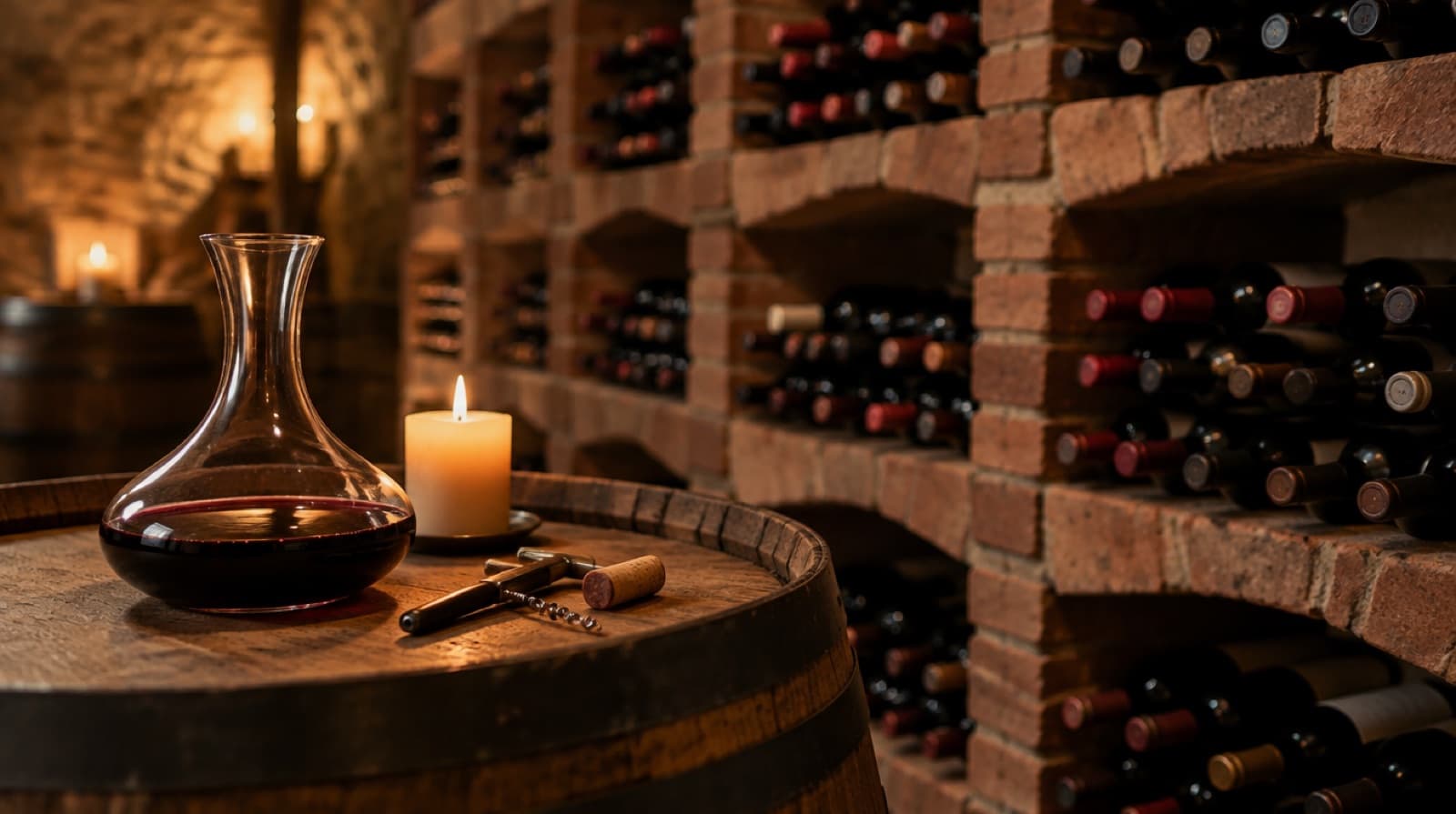
A sommelier is the restaurant’s wine specialist. The popular picture is the person at the table swirling a glass and talking about minerality, and that is a real part of it, but most of a sommelier’s week is spent on things no guest sees: buying, storing, counting, pricing and teaching.
Two halves of one job
In the cellar and the office
- Building and maintaining the wine list: what is on it, at what price, and what replaces a wine when it runs out or a vintage changes.
- Buying from suppliers, which means tastings, samples and a relationship with a handful of merchants and importers.
- Receiving deliveries, checking them against the order, and putting bottles away so the oldest are used first and every bin number on the list matches a place in the rack.
- Stock counts, and watching the wines that are not selling, because a bottle in the cellar is money the restaurant has already spent.
- Managing the wines by the glass: which bottles are open, how long they will last once open, and what gets thrown away.
- Training the waiting staff so the list can be sold on nights the sommelier is not there.
On the floor
During service the sommelier moves between tables, recommending wines, presenting and opening bottles, pouring the taste, decanting older reds or young wines that need air, and keeping glasses topped up at a pace the table is comfortable with. They check the service temperature of each bottle, suggest pairings with the kitchen’s dishes, and deal with the rare bottle that is corked. Hours follow service, so evenings and weekends, with the office work often done in the afternoon before the doors open.
What the role is really for
Wine is one of the things a restaurant makes its margin on, and one of the easiest to sell badly. A guest who does not know the list and has nobody to ask will usually choose the second cheapest bottle and leave it there. A guest who is given confident, honest help will often spend more, enjoy it more, and come back.
So a restaurant hires a sommelier to turn the wine list from a document into a conversation, and to make sure the money tied up in the cellar is working. The signs it has reached that point are fairly clear:
- The list has grown beyond what the floor team can confidently talk about.
- Guests ask questions about the wine that nobody on shift can answer.
- Stock sits unsold for months while the same few bottles go out every night.
- Open bottles by the glass are being poured past their best or thrown away.
- The kitchen is doing a tasting menu and wants a pairing written for it.
A restaurant with a short, simple list may not need one. A good wine merchant will often train the team and help write the list, and a restaurant manager with an interest in wine can own the buying. Some venues take on an assistant sommelier or a wine waiter first, to cover the table service while the manager keeps the buying.
The wine team and the rest of the floor
A head sommelier usually reports to the restaurant manager or general manager, and in a larger restaurant runs a small team of sommeliers, assistant sommeliers and wine waiters. They work alongside the waiters, who take the food order and then call the sommelier over, and with the head chef, because pairings have to change when the menu does. In a hotel the role can sit across several outlets, with the bar and the banqueting wine as well.
Knowing a lot, and knowing when to say it
Deep knowledge is expected. What separates a good sommelier from one who is merely knowledgeable is how they use it. A good sommelier finds out what the guest likes and roughly what they want to spend, often without asking outright, and recommends within that without making anybody feel judged for the price. They know the list from memory, including what is actually in the cellar tonight. They talk for as long as the table wants and no longer.
Behind the scenes, the good ones are careful with numbers. They know the margin on every bottle, they rotate stock, and they notice the gap between what the till says was sold and what has left the rack.
How people become sommeliers
Many start as waiters in a restaurant with a serious list and begin by learning that list thoroughly. Wine qualifications from bodies such as the Wine and Spirit Education Trust and the Court of Master Sommeliers are widely recognised and are a common part of the route, though experience at the table counts for as much. From assistant sommelier the path goes to sommelier and head sommelier, and later to wine buying for a restaurant group, beverage director roles, or the supply side with importers and merchants.
What to say when advertising
The pay, the shifts, and how the sommelier shares in the tronc. Say how long the list is and whether the job includes buying and stock control, or only service. A candidate needs to know whether they will be shaping the list or selling somebody else’s, and whether there is a budget for training and qualifications.
Advertised pay for front of house: front of house pay
Sommelier and restaurant jobs: restaurant jobs
Every live listing, pay stated: browse jobs