The reservations manager, and the covers that never reach the door
A reservations manager turns enquiries into seated covers: the booking system, deposits, no-shows and group bookings. What the job is and who needs one.
Covers · · 5 min read
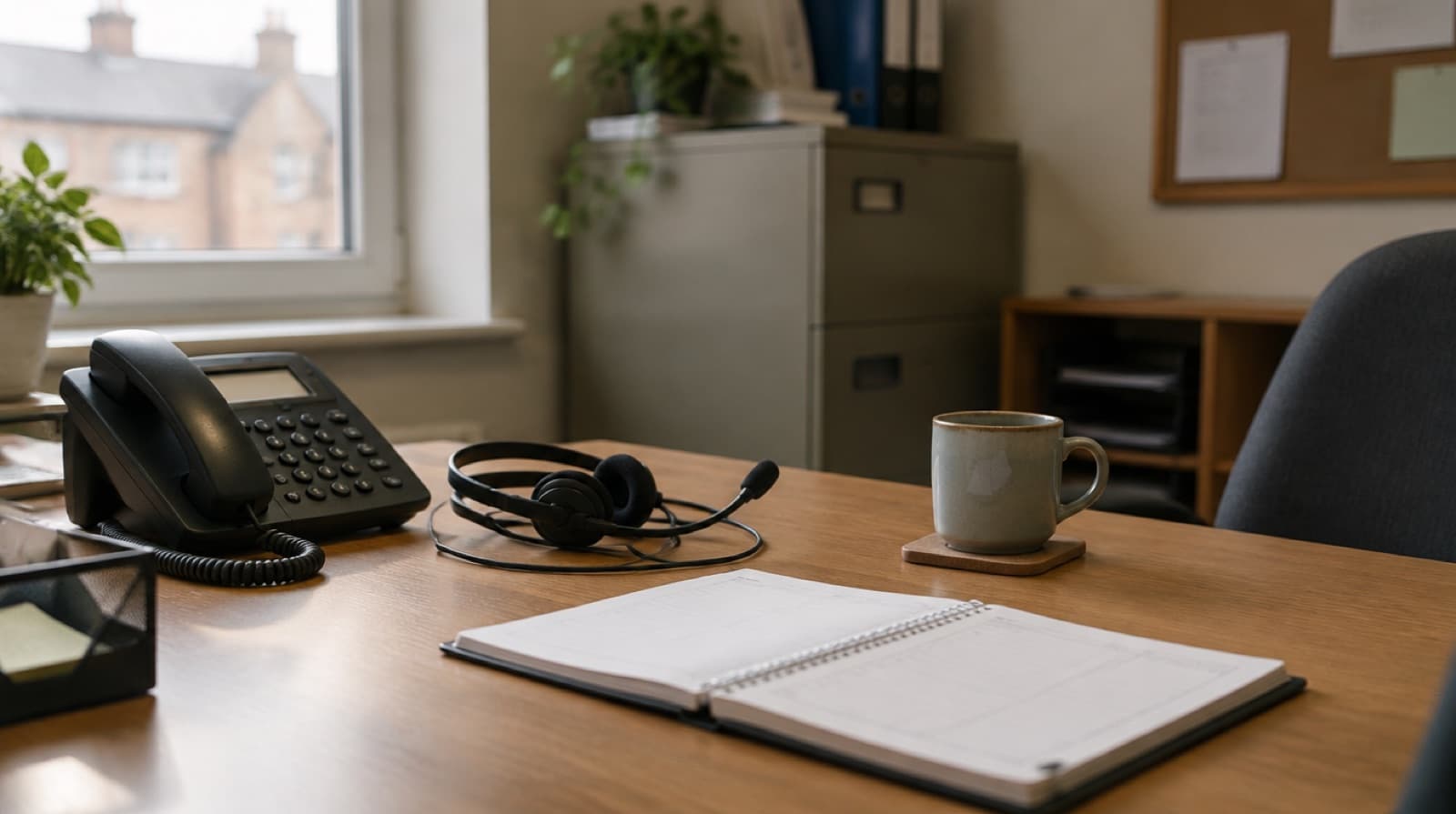
Every booking a restaurant takes is a promise that a table will be ready and a kitchen will cook. Every booking it fails to take, because the phone rang out or an email sat for a day, is a table sold to somebody else. The reservations manager runs the part of the business that decides how full the room will be before anybody walks in.
It is an office role that belongs to the front of house. Much of it happens away from service, on the phone, in the inbox and in the booking system, and it is one of the few restaurant jobs with mainly daytime hours.
A working day
- Answering calls and emails, and working through enquiries that came in overnight through the website and third party platforms.
- Managing the booking system: table sizes, sitting times, how long each table is held, and the rules for online availability.
- Taking and refunding deposits, and applying the cancellation policy fairly when a guest cancels late.
- Confirming bookings in advance and chasing the ones that have not confirmed, which is the main defence against no-shows.
- Handling group and private bookings, set menus and special requests, and passing larger events to the events or private dining team.
- Recording guest notes: allergies, access needs, occasions, the regular who always wants the same table.
- Telling the kitchen and the floor what is coming, with a daily and weekly view of covers.
The pressure points are the phone at lunchtime, the Friday someone discovers a large party was double booked, and the afternoon when three tables cancel and the evening needs refilling from a waiting list.
When a venue needs one
Plenty of restaurants start with the host or the manager taking bookings between other jobs. That holds while demand is manageable. A venue has outgrown it when:
- The phone goes unanswered during service because everybody who could answer it is on the floor.
- Enquiries for large tables or private hire wait days for a reply, and some are never answered.
- No-shows are regular enough that the room is noticeably emptier than the book said it would be.
- The waiting list exists on paper but nobody works it, so late cancellations become empty tables.
- There is more than one site, or more than one room, and bookings for each are handled in different ways.
The problem a reservations manager solves is lost revenue that nobody sees. A missed call does not appear in any report. A dedicated person answering it, confirming bookings, taking deposits where the policy calls for them, and refilling cancellations is recovering covers that would otherwise never have existed.
A single restaurant with a good online booking system and steady demand may not need one. Hosts can check the system at the start of each shift, and the manager can deal with the larger enquiries. Some groups centralise instead, with one reservations team serving several sites.
Who they report to and hand over to
A reservations manager usually reports to the general manager, or in a group to an operations or guest relations lead. In a larger operation they run a small team of reservationists. Every day they hand over to the people at the door: the maître d’ or host receives the evening’s book, with the notes that matter, and any change after that point has to reach them straight away.
Doing it well
An adequate reservations manager records bookings accurately. A good one understands the room as well as the system. They know which tables can be joined, how long a four top really takes on a Saturday, and when a request to sit by the window is worth a phone call to explain it cannot be promised. They write guest notes that are actually useful at the door, and they treat a returning guest’s history as information to use rather than data to file.
Guest details are personal data, and the way a restaurant stores and uses them is covered by data protection law. A reservations manager is often the person who keeps that practical: what is recorded, who can see it, and how long it is kept.
Data protection guidance for organisations: the Information Commissioner’s Office
Background and next moves
People come to it from hosting, hotel reception or reservations, and sometimes from an office background with a liking for hospitality. It leads towards events and private dining, guest relations, revenue management in hotels, or front of house management, because very few people understand a restaurant’s demand as well as the one who takes its bookings.
The advert
State the pay, the hours and days, and whether any evening or weekend cover is expected. Name the booking system, how many sites the role covers, and whether it includes private dining enquiries. Say whether the role shares in the tronc, since it sits off the floor and candidates will want to know.
What venues advertise for office and support roles: support and office pay
Live reservations and office listings: support and office jobs
Where larger enquiries go: what a private dining manager does