Waiting tables, properly: what a waiter or waitress actually does
A waiter or waitress runs a section of tables: orders, allergens, timing with the kitchen, the bill. What the job involves on shift and what makes a good one.
Covers · · 5 min read
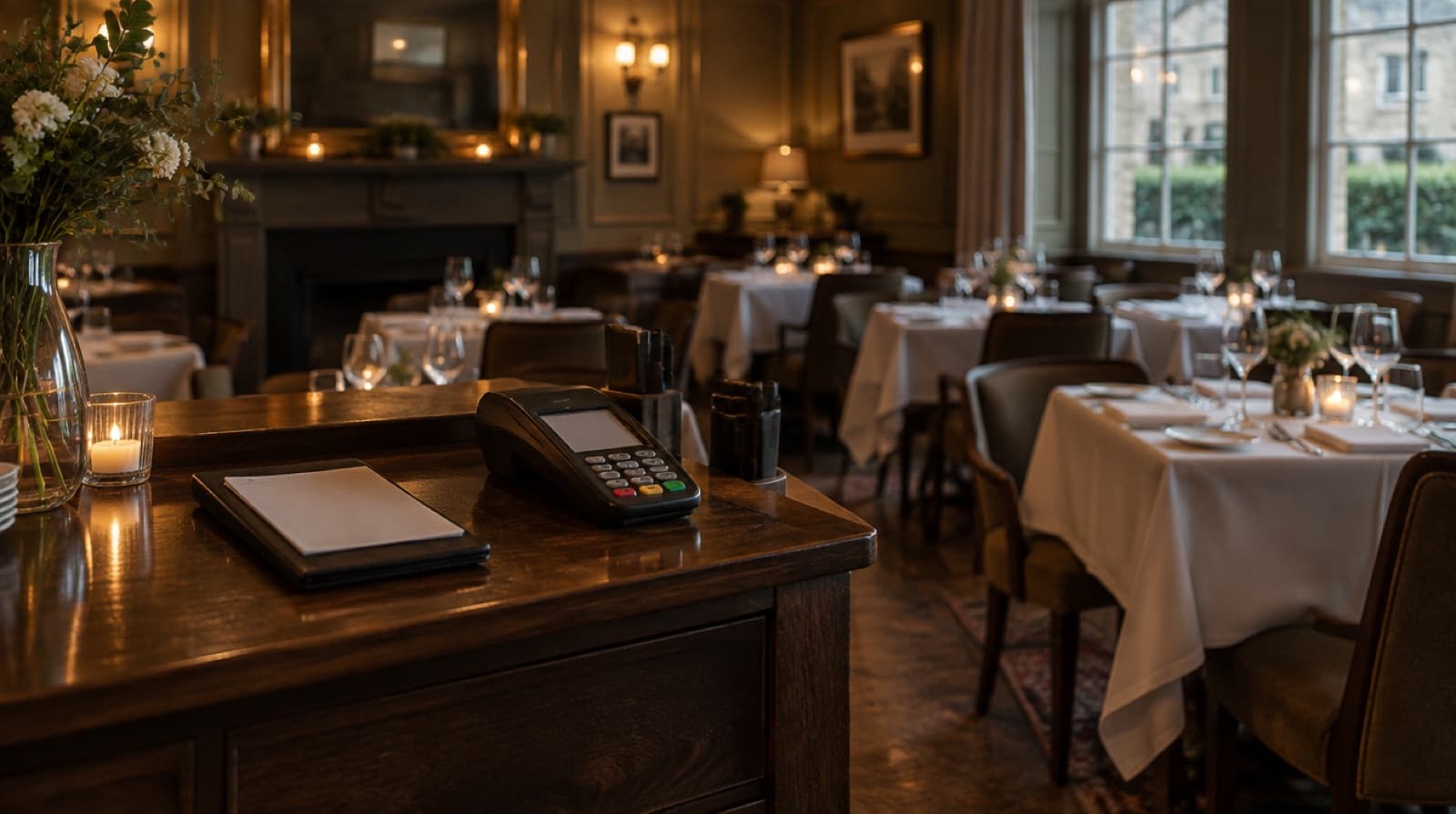
A waiter or waitress looks after a group of tables, called a section, for the length of a shift. They are the person each guest deals with most, and the link between the dining room and the kitchen. What they sell, how they time it and how they handle problems decides a good part of how a night goes, for the guest and for the restaurant’s takings.
Before the doors open
The shift starts with set-up: tables laid, cutlery and glasses polished, the service station stocked with napkins, condiments, water jugs and bill folders. Then the pre-shift briefing, where the manager or head waiter goes through bookings, large tables, specials, dishes already off, and any guests with allergies or special requests already noted on the reservation. Sections are handed out, and the waiter checks what is on theirs.
Running a section
- 1Greet the table once it is seated, offer water and drinks, and give them time with the menu.
- 2Take the order, asking about allergies and dietary requirements every time, and put it through the till or handheld so it prints in the kitchen and at the bar.
- 3Pace the meal with the kitchen: call away mains when starters are cleared, not before, so food does not arrive on top of plates still being eaten.
- 4Check back after the first few mouthfuls, top up drinks, clear as courses finish, and offer dessert and coffee.
- 5Present the bill, take payment, and turn the table for the next booking if there is one.
All of that is happening on several tables at once, at different stages. The skill is keeping them in your head: table four is waiting on mains, table seven wants the bill, the couple on nine have just sat down, and the kitchen has just rung the bell for table two. A good waiter prioritises in a glance.
Allergens deserve a line of their own. When a guest says they have an allergy, the waiter is the one who records it accurately, tells the kitchen, checks what can be made safely, and makes sure the plate that reaches the guest is the one that was checked. Getting it wrong can put someone in hospital, and front of house is where most of the information passes through.
What food businesses must tell customers about allergens: Food Standards Agency guidance
Why restaurants need enough of them
A restaurant rarely asks whether it needs waiting staff. The real question is how many, and the answer is set by how many tables one person can look after well. Past that point, service slips: drinks orders take too long, tables sit waiting for the bill, upselling stops because nobody has time, and the tips and reviews both suffer.
Signs that a floor is understaffed: tables waiting to be greeted, food dying on the pass because nobody is free to take it, and managers covering sections instead of managing. A café with counter ordering, or a pub where people order at the bar, may need runners and table clearers rather than waiters. The waiter role makes sense once guests expect to be served at the table from start to finish.
On the floor with others
Waiters report to the head waiter, supervisor or restaurant manager running the floor that shift. They work alongside runners, who carry food from the pass, bartenders who make their drinks, hosts who seat the tables, and in some restaurants a sommelier. At the end of the shift they finish their side work, the cleaning and restocking tasks allocated to each person, and cash up if the venue does that per waiter.
The good ones
An adequate waiter takes orders correctly and brings the food. A good one reads the table: the business lunch that needs to be out in time, the couple who want to be left alone, the family whose children are about to lose interest. They know the menu well enough to describe every dish and answer questions without running to the kitchen, suggest a wine or a side that fits, and handle a complaint calmly before it becomes a scene. They also help colleagues without being asked, which is the thing managers notice most.
Starting out
Many waiters start as runners or in casual restaurants, and plenty start with no experience at all. From waiting, the usual steps are to head waiter or supervisor, then assistant manager; some move towards wine and become sommeliers, and some move behind the bar.
What to say when advertising
Say the hourly rate, the typical shifts, and whether there are guaranteed hours or it is variable. Explain the tronc and where the service charge goes, since the law now requires tips to reach workers in full and a written policy to exist. Say what kind of restaurant it is, and how many covers a busy night is, because that tells a candidate more than any adjective.
The tipping law in plain terms: what it requires
Pay advertised for front of house roles: front of house pay
Waiting jobs, all with the pay shown: waiter jobs