The events manager: selling the room, then delivering what was sold
What a hospitality events manager does between the first enquiry and the final invoice, why a venue hires one, and the signs it has reached that point.
Covers · · 6 min read
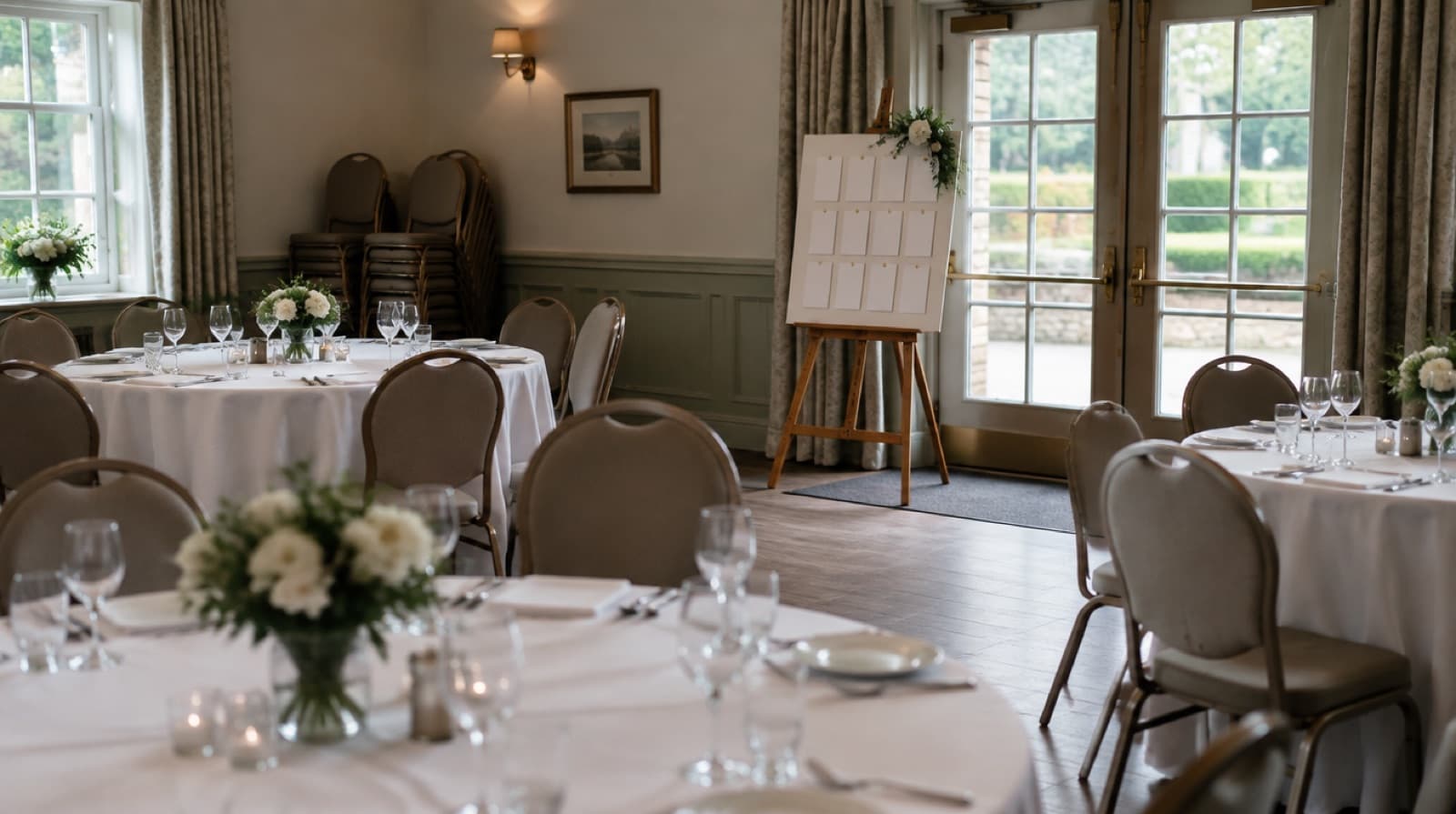
An events manager owns every booking bigger than a table. The birthday that takes over the mezzanine, the company dinner, the wedding reception, the product launch that wants the whole ground floor on a Tuesday. The job starts when somebody emails asking whether the venue can do it, and it ends when the final bill is paid and the deposit has been reconciled against it.
It is half sales and half operations, and the difficulty of the job is that both halves are happening at once, for different events, on the same afternoon.
The desk side: enquiries, proposals, contracts
A large part of the week is spent at a laptop. Enquiries come in by email, by phone and through the website form, and the speed of the first reply decides a lot of them, because the person organising a leaving do has usually emailed three venues and will book the first one that sends something concrete.
- Show-rounds: walking a prospective client through the space, usually in the quiet hours before service, and explaining how it will look on the night.
- Proposals: menus, drinks packages, the room hire or minimum spend, timings, and what is and is not included.
- Contracts and deposits: getting the terms signed and the money in before the date is held, and chasing it when it is not.
- The event sheet: a single document for each booking that the kitchen, the bar and the floor all work from, with final numbers, dietary requirements, timings and the layout.
- Suppliers: florists, DJs, cake makers, AV hire, and the question of who lets them in and when.
The floor side: the night itself
On an event evening the events manager is usually in the room. They brief the staff working it, check the layout against the plan, meet the host, and act as the one person the client talks to when the speeches overrun or the guest numbers turn out to be different from what was confirmed. In a restaurant with a private area this may happen alongside normal service, which means negotiating with the kitchen over when the event's courses go and when the à la carte tickets do.
Hours follow the diary. Days are for selling and planning, evenings and weekends for delivering, and December is its own season with its own rules.
Why a venue hires one
Events usually start as something the general manager handles between everything else. That works while there are a handful a year. It stops working at a recognisable point, and the signs are fairly consistent:
- Enquiries sit unanswered for days because the only person who can quote is running the floor.
- Deposits are not taken, or not chased, and a cancelled booking leaves the venue with an empty room and nothing to show for it.
- The kitchen finds out final numbers on the day, or finds out about the coeliac guest when the plate is already on the pass.
- A room that could be earning on quiet midweek nights sits dark because nobody has time to sell it.
- Every event is quoted slightly differently, because every quote is written from scratch by whoever picked up the phone.
The role pays for itself, if it does, by turning event space into revenue that is predictable and taken in advance, and by taking the admin off the people who are supposed to be running service.
When a venue does not need one yet
If group bookings are occasional and look like large tables rather than events, a reservations manager or a sharp assistant manager with a fixed set menu and a clear deposit policy will cover it. If there is one private room that books regularly for dinners, the better hire may be a private dining manager instead, whose job is narrower and closer to service. The events manager makes sense when the venue sells whole spaces, to varied clients, with enough volume that somebody is always in the middle of a booking.
Where it sits
In a standalone restaurant or bar the events manager reports to the general manager, sometimes directly to the owner. In a hotel the role often sits under a director of sales, or under the food and beverage manager, and works alongside a banqueting manager who runs the staffing on the day. Larger operations add an events coordinator who handles the paperwork. On the night, the events manager hands over to the duty manager once the event is running, or stays to the end, depending on how the venue splits the load.
Adequate and good
An adequate events manager fills the diary. A good one fills it with events the venue can actually deliver well. They will turn down a sit-down dinner for a number the kitchen cannot plate in time, or steer it towards a sharing menu that works. Their event sheets are complete enough that nobody needs to call them to ask what time the cake is being cut. They follow up afterwards, and a meaningful share of their bookings come from people who were guests at a previous event.
Venues also look for commercial sense: knowing what a room should earn on a Saturday against a Monday, and pricing minimum spends so that a busy night given over to one party is not worse than an ordinary one.
Getting into it, and where it goes
People arrive from several directions. Front of house supervisors who ended up running the parties, reservations staff who were already handling the group enquiries, events coordinators in hotels, and people from venue sales outside hospitality who learn the service side on the job. From here the usual next steps are head of events for a group, a sales role at director level in a hotel, or general management, where the commercial habits carry over well.
What the advert should say
State the salary, and whether there is commission or a bonus tied to events sold and on what basis. Say how many evenings and weekends the role works in an ordinary month, and whether event service charge is shared through the tronc and whether the events team is included. Name the spaces and their capacity, because that tells an experienced candidate more about the job than any description.
What venues are paying for events roles: events and banqueting pay
The narrower version of the job: what a private dining manager does
Current openings: browse jobs