Commis chef: what the first job in a professional kitchen involves
The commis is the entry-level cook: prep, cooking under supervision and learning each section. How it differs from a KP, and where it leads.
Covers · · 5 min read
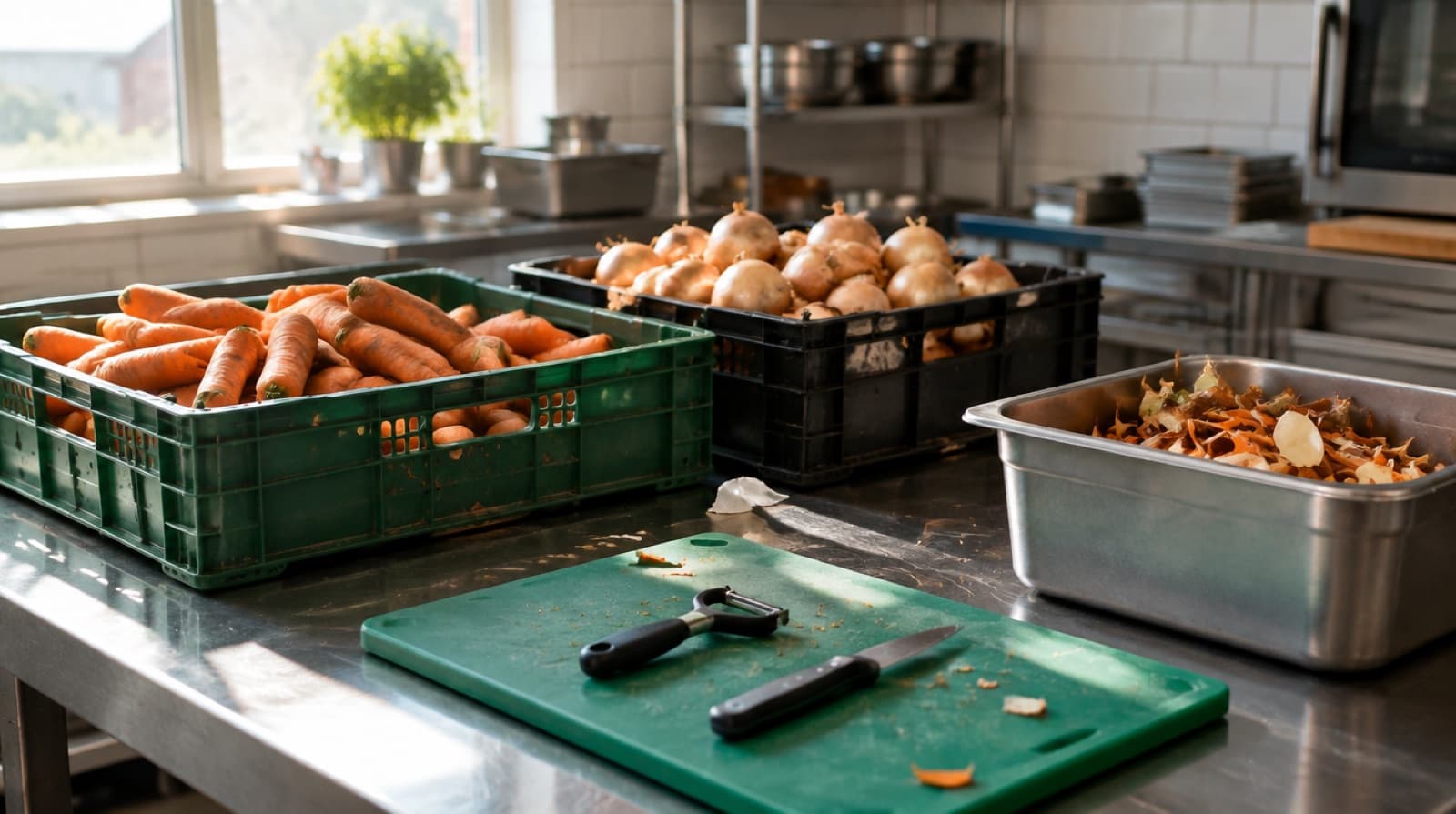
A commis chef is the most junior cook in a kitchen brigade. The word comes from French and means, roughly, someone entrusted with a task. It is a fair description: a commis is given tasks, shown how to do them, and trusted with more as they prove they can do them properly.
Being the most junior cook does not mean not cooking. A commis is part of the brigade, working on a section alongside a chef de partie and contributing to what goes out in service. What separates the job from the ones above is that the commis is not yet responsible for a section, and is expected to be learning as much as producing.
Commis, kitchen porter and prep cook
People new to kitchens sometimes confuse these. A kitchen porter keeps the kitchen running by washing pots and equipment, cleaning, and receiving deliveries, and in many kitchens helps with basic prep. A prep cook does prep, often in larger volumes and often without a role in service. A commis is a trainee chef on the path up the brigade, doing prep and service, moving between sections, and being taught.
Kitchen porters sometimes become commis chefs. For people without a catering qualification, the pot wash is a well-trodden way into cooking.
What the work is
Most of a commis’s day is prep. Peeling and cutting vegetables to exact sizes. Picking herbs. Making stocks, dressings and simple sauces. Portioning, weighing and labelling. Keeping the section stocked through service and cleaning as they go. On a busy night they may cook simpler elements, such as garnishes, vegetables or cold starters, while the CDP handles the more demanding parts.
A commis usually moves around the kitchen. A few weeks or months on larder, then veg, then fish or pastry. The rotation is deliberate, and a commis should expect it. It is how they learn the whole kitchen, and it is how the head chef sees where they are strongest.
Hours follow the kitchen’s trading pattern. A kitchen doing lunch and dinner may work split shifts, and evening and weekend work is standard. Commis chefs aged under 18 have extra protections on hours and night work, and a kitchen hiring a young commis needs to follow them.
Working time limits, including the separate limits for young workers: maximum weekly working hours (gov.uk)
Who they work for
A commis takes instruction from the chef de partie on their section, and from the demi if there is one. The sous chef and head chef set the standard and decide when the commis is ready to move up. A commis will often work closely with the kitchen porters, and a good kitchen treats that relationship as part of the job rather than a hierarchy.
Why a kitchen hires one
A commis solves two problems at once. The first is capacity: a CDP whose section has more prep than one person can finish before service needs another pair of hands, and a commis is that pair of hands at a lower cost than a second CDP. The second is the future. A kitchen that never hires commis chefs has nowhere to promote from and ends up hiring every CDP from outside, which is slower, costlier and riskier.
Signs a kitchen needs one: CDPs coming in early to finish prep, prep being cut short so service starts under-prepared, or senior chefs spending time on tasks a trainee could do. A kitchen that does not have time to teach may get more from a prep cook, who needs less supervision, or by more kitchen porter hours. Hiring a commis and then not training them wastes the hire and usually loses the person.
What kitchens look for
Kitchens hiring a commis are looking for attitude and habits more than experience. Turning up on time. Listening, and asking when unsure rather than guessing. Working clean. Taking correction without sulking, and not repeating the same mistake. Knife skills can be taught; reliability mostly cannot.
What separates a good commis from an adequate one is curiosity. The good ones watch what the CDP does in service, taste everything, ask why a dish is made the way it is, and practise at home. They are the ones who become demis and CDPs quickly.
Food hygiene matters from day one. Commis chefs handle food, and food handlers must be trained or supervised in hygiene appropriate to their work. Many kitchens ask for a Level 2 food hygiene certificate or will arrange one.
Ways in and the ladder above
Routes in include catering college, a chef apprenticeship, moving up from kitchen porter, or starting as a commis with no formal training at all in a kitchen willing to teach. From commis, the next step is demi chef de partie in kitchens that use the title, or chef de partie directly in those that do not. Some commis chefs specialise early in pastry, bakery or butchery.
What the advert needs
The pay as an hourly rate or salary. Hours, days, and whether shifts are split. Whether training is offered and what it is. Whether the kitchen shares tronc. Whether a trial is paid. For a first kitchen job, a candidate also wants to know what the kitchen cooks and how big the brigade is, because that decides how much they will learn.
What kitchens pay for commis and section chefs: pay for this category
The step after commis in a larger brigade: what a demi chef de partie does
Applying for a first kitchen job without a CV: building a profile