What a general manager is responsible for, kitchen and all
A hospitality general manager owns one site end to end: profit, kitchen, building and licence. How a GM differs from a restaurant manager, and when to hire one.
Covers · · 5 min read
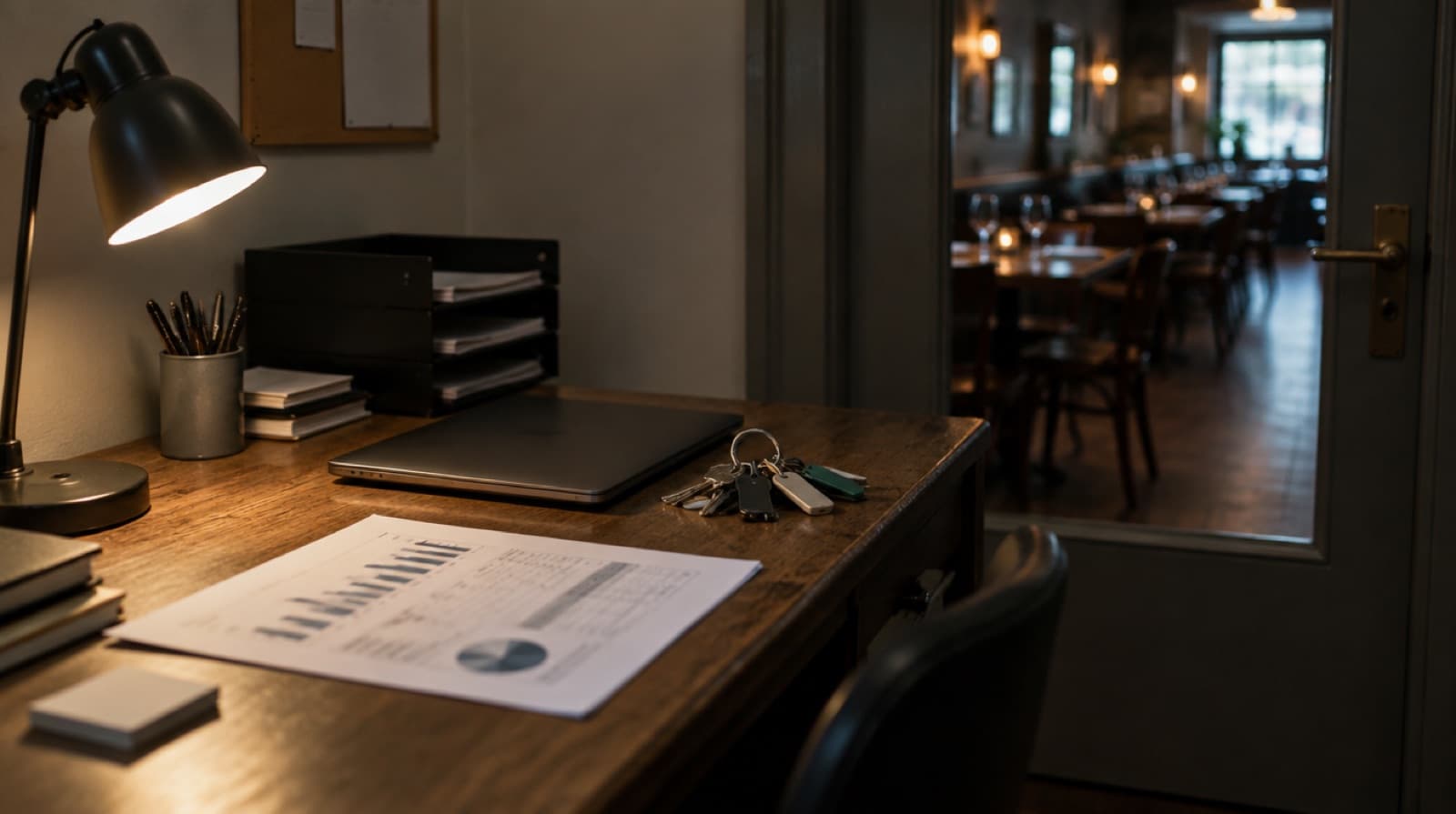
Everything that happens on the site is, in the end, the general manager’s problem. The fridge that failed overnight, the head chef who wants a new oven, the landlord’s surveyor, the complaint that went to the owner by email, the month the wage bill ran ahead of the takings. A GM is the single person accountable for one hospitality business as a whole.
The difference from a restaurant manager
This is the confusion worth clearing up first, because the two titles are used loosely and adverts often mix them. A restaurant manager runs the floor: service, the front of house team, bookings, guests. A general manager runs the site, which includes the kitchen.
In practice that means the head chef reports to the GM, or at least works as the GM’s equal partner with the GM holding the final budget. It means the GM owns the full profit and loss, not just the front of house labour line. And it means the building, the contracts and the licence are theirs as well. A small independent restaurant may give its only manager the restaurant manager title while asking them to do a GM’s job, which is worth noticing when reading the advert.
An ordinary week
- Reading the numbers. Weekly takings against budget, labour as a share of sales, food and drink cost from the stocktake, and deciding what to change before the month closes.
- Meeting the head chef on menu costs, kitchen staffing and equipment, and settling the arguments between kitchen and floor before they reach the guests.
- Signing off the rota across every department so the wage bill matches the bookings.
- Hiring and firing the senior team, and handling the disciplinaries and grievances that the department heads pass up.
- The building: maintenance contractors, fire safety checks, pest control visits, deep cleans, the lease.
- Compliance: the premises licence, food safety records, health and safety, right to work checks on every new starter, and running the tips policy fairly.
- Working the floor on the busy nights, because a GM who is never seen in service loses touch with what the numbers mean.
Hours are long and irregular. A GM is usually on site for the peak services and back in the office for the paperwork, and is the person rung when the alarm goes off at three in the morning.
The checks every new starter needs: the employer’s guide to right to work checks
The rules a GM applies when sharing tips: the statutory code on distributing tips
When a business needs a GM
Many owner-operators are, in effect, their own general manager. They hold the numbers and the relationships, and they hire a restaurant manager to run service. That is often the right structure for a single site where the owner is present.
The need for a GM shows up when the owner steps back. Common moments:
- The owner is opening a second site and can no longer be in both places.
- Investors or a landlord want a named person accountable for the site’s results.
- The kitchen and the floor are run as two separate kingdoms and nobody has the authority to make them work together.
- The site has grown into several revenue streams, such as a bar, private dining, takeaway and events, and someone needs to see all of them at once.
A GM without real authority over the budget and the kitchen is a restaurant manager with a bigger title. Owners who are not ready to hand over those two things are usually better off hiring a strong restaurant manager and keeping the GM job themselves for now.
The team around them
The GM reports to the owner, or in a group to an operations manager. Directly below are the head chef, the restaurant manager or assistant general manager, and depending on the site a bar manager, events manager or head of reservations. The assistant general manager deputises on the GM’s days off, and duty managers run individual shifts. The GM hands over to the AGM, not to the floor.
What separates a good GM
An adequate GM hits the budget. A good one knows why they hit it, and would have known a month earlier if they were going to miss. They keep senior staff for years rather than months, which in this trade is the clearest sign of a well-run site. They can talk to a chef about a braise and to an accountant about accruals without switching personalities. And they make decisions that stick, so the team is not waiting for the owner to overrule them.
The route in and out
GMs come from both sides of the pass. The floor route runs through supervisor, assistant manager, restaurant manager and AGM. The kitchen route is rarer but real: head chefs who have learned the business side sometimes make the move. Either way, experience of owning a budget matters more than the title held. The next step is operations manager across several sites, a group role, or a stake in the business itself.
Writing the GM advert
State the salary and how any bonus is earned. Say what the GM controls: whether the head chef reports to them, whether they set the rota budget, whether they hold the licence. Give the size of the site in covers and team, the usual working pattern, and how the tronc treats the GM.
Advertised salaries for managers: management pay
The role most often confused with this one: what a restaurant manager does
Live listings: restaurant and general manager jobs