Running the floor: the restaurant manager’s job explained
A restaurant manager owns the dining room: the service, the front of house team, the bookings and the guest. Where the job stops and a general manager’s begins.
Covers · · 5 min read
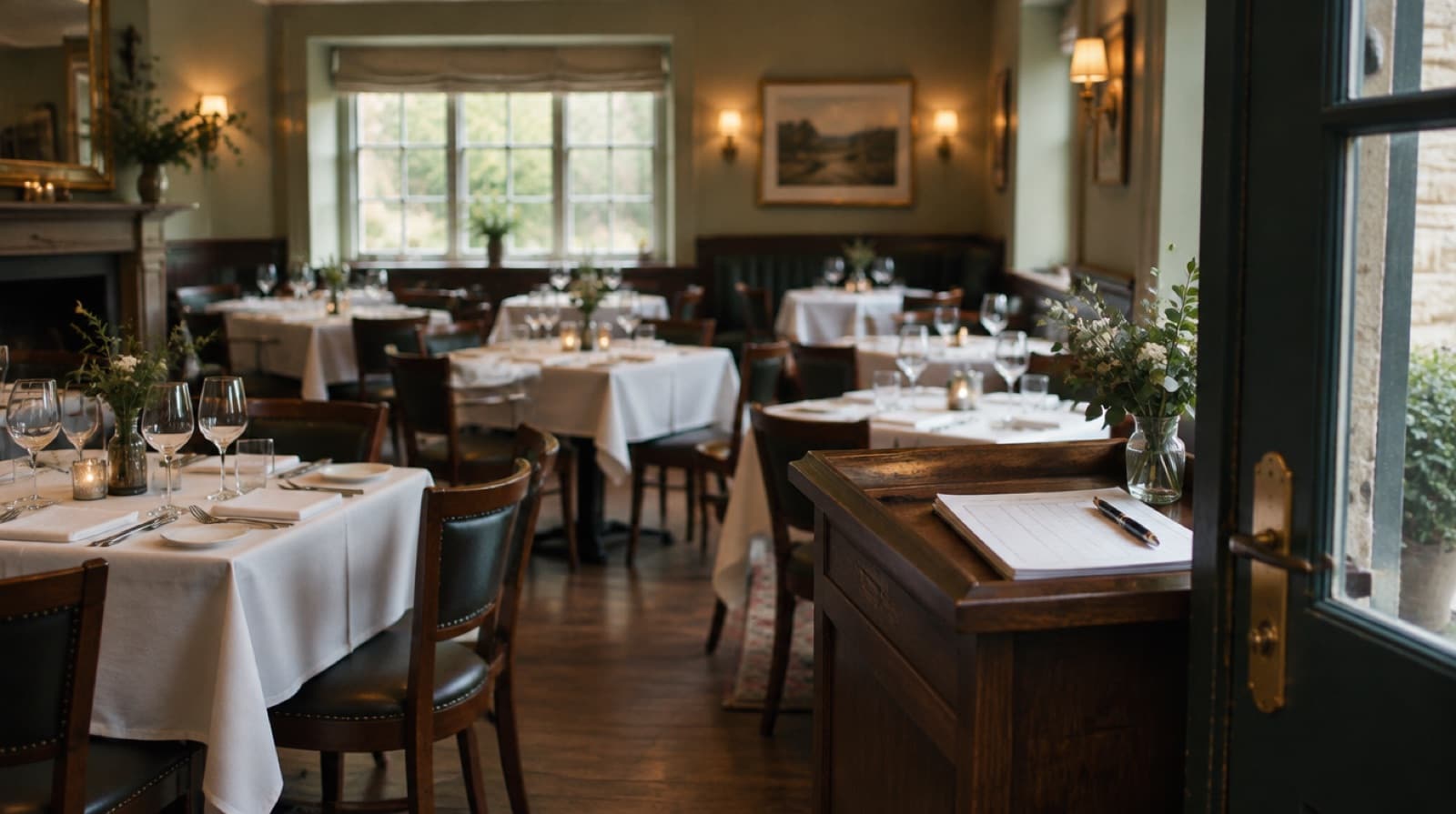
The restaurant manager is the person who decides how the room feels. Which table the anniversary gets, how long a walk-in waits, when to slow the kitchen down by holding a course, who apologises for the wrong wine and how. It is a job done mostly standing up, in the middle of the dining room, during service.
Service is the centre of it
Before the doors open, the restaurant manager reads the bookings, plans the table plan around them, and allocates sections. At the pre-service briefing they go through the specials with the kitchen, flag allergies and regulars, and tell the team what went wrong last night and what to do differently.
During service they stand where they can see the whole room and the pass. They move people when a section is drowning, talk to the kitchen when tickets are backing up, visit tables, and deal with the complaint before it becomes a review. The best ones are rarely seen doing anything dramatic; the evening just goes smoothly.
After service there is the cash-up, the tronc figures, a check on how many covers were done against the bookings, and a note for whoever opens tomorrow.
The rest of the week
- The front of house rota, built around the bookings forecast and the labour budget.
- Recruiting and training waiters, runners, hosts and bartenders, and deciding when someone is ready to supervise.
- The reservations system and the policy on deposits, no-shows and large groups.
- Guest feedback, online reviews and the replies to them.
- Front of house standards: the steps of service, how tables are laid, how the wine is poured.
- Front of house ordering: linen, glassware, cutlery, and often the wine and bar stock.
Hours follow the service pattern. In a lunch and dinner restaurant, split shifts are common for the team and the restaurant manager often works straight through instead.
Where the restaurant manager stops
The line that matters is the pass. A restaurant manager runs everything on the guest side of it. The kitchen, its staff, its costs and its menu belong to the head chef, and the two work as partners.
Above both of them, in a larger or group-owned site, sits a general manager who owns the full profit and the building. In a smaller independent restaurant there may be no GM at all: the owner fills that role, and the restaurant manager is the senior manager on site. Candidates reading adverts should check which of these they are looking at, because the same title can mean either.
When an owner needs one
A small restaurant run by a chef-owner with a partner on the floor does not need a restaurant manager; the partner is one. The same is true of cafés and casual sites where a supervisor runs the shift and the owner does the admin.
The need arrives once the owner cannot, or should not, be on the floor for every service. The signs:
- Service quality depends on which nights the owner works.
- Front of house staff turn over quickly, and exit conversations mention no training and a rota that changes at short notice.
- No one has checked the online reviews in weeks, and the same complaint keeps appearing.
- The owner is spending service hours on the phone taking bookings.
If the owner wants to keep running service but needs help with the admin, a strong supervisor or an assistant manager can be the better first hire. A restaurant manager expects to own the room, and hiring one while still running it yourself leads to two people giving contradictory instructions to the same waiters.
Who reports where
Their line goes up to the GM, or straight to the owner where no GM exists. Below them are the assistant restaurant manager or head waiter, supervisors, sommeliers, waiters, runners, hosts, and often the bar team. On their days off the assistant or a supervisor takes the floor, and the handover is the booking sheet plus anything guest-specific worth knowing.
What venues are hiring for
Presence on the floor comes first. A restaurant manager who hides in the office during service is not doing the job. After that: the ability to read a booking sheet and see the problem in it, patience with a new waiter, firmness with a difficult guest, and enough wine and food knowledge to stand in for anyone on the floor.
The gap between adequate and good is in the team. An adequate restaurant manager runs a good service with the staff they have. A good one builds the staff, so that the service is still good on their night off.
Getting there and moving on
The route is usually waiter, head waiter or supervisor, assistant restaurant manager, then restaurant manager. Sommeliers and maîtres d’ often move across too. From restaurant manager, people step up to general manager or AGM in a larger site, into operations, or sideways into hotel food and beverage management.
In the job advert
Say the salary, the covers and the number of services, the usual days and closes, and whether the manager shares in the tronc. Most usefully, say who else is senior on site: whether there is a GM above, and whether the role runs the bar as well as the floor.
Salaries restaurants are stating: pay for management roles
The role above, and the difference: what a general manager does
Live listings: restaurant manager jobs