What a head chef is actually responsible for
The head chef owns one kitchen: menu, costs, team and hygiene record. How it differs from an executive chef or kitchen manager, and when a venue needs one.
Covers · · 5 min read
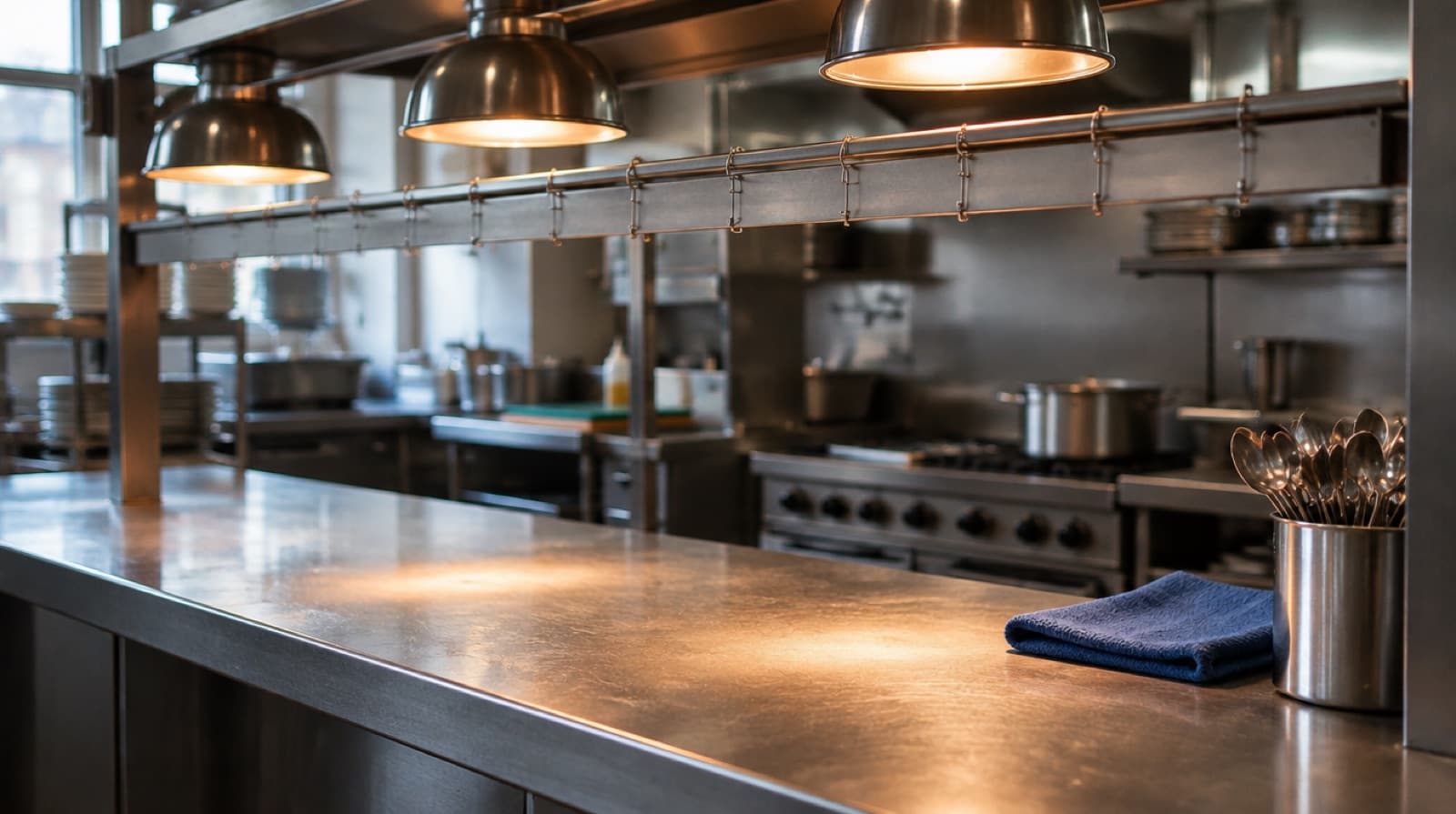
A head chef is the person accountable for everything that leaves one kitchen and everything that happens inside it. The food, the cost of the food, the people cooking it, and the records that prove it was stored and cooked safely. In French kitchens and in some hotels the same job is called chef de cuisine.
Accountable is the important word. A head chef does not cook every plate, and in a well-run kitchen should not need to. What they cannot do is say that a bad plate, a failed inspection or a sous chef walking out was somebody else’s problem.
An ordinary day
The day usually starts before the brigade arrives: checking the deliveries against the order, looking at the bookings, reading the notes from the previous close. Then prep, where the head chef walks the sections, tastes what is being made and corrects it before service rather than during. In service, most head chefs run the pass. They call the tickets, check every plate for temperature, portion and presentation, send back what is wrong, and keep the timing between tables so that a party of eight gets its mains together.
Around service sit the jobs nobody sees. Writing the rota. Placing tomorrow’s orders. Costing a new dish and deciding what it has to sell for. Signing off the temperature logs and cleaning schedules. Answering an allergen question from the floor with certainty, because a guess is not an acceptable answer. Interviewing. Having the conversation with the commis who has been late three times.
Hours are long and usually include the busiest services of the week. A common pattern is five days covering both lunch and dinner, with days off falling on whichever services the sous chef can hold.
Head chef, executive chef, kitchen manager
These three get confused, and the difference matters when deciding which one to hire or apply for.
- A head chef runs one kitchen and, in an independent or chef-led venue, writes its menu.
- An executive chef sits above several head chefs, across a group or a large hotel, and sets the standard they cook to. They rarely run a pass.
- A kitchen manager runs one kitchen to a menu written somewhere else, usually by a group’s development team. The job leans towards systems, compliance, stock and labour cost, with less creative freedom and often more reporting.
A pub group’s site may advertise a head chef when the job is really kitchen management, and a single restaurant may call its head chef an executive chef. The advert should say who writes the menu. That one detail tells a candidate which of the three jobs it is.
Why a venue hires one
The honest reason is that somebody has to own the kitchen. An owner who cooks can be that person for a long time. The point at which a venue needs a separate head chef is usually when the owner cannot be in the kitchen for every service and the food starts to change when they are not. Other signs: food cost drifting upward with no clear cause, chefs leaving because nobody is training them, or an inspection that found the paperwork incomplete.
There are also venues that do not need one. A café serving a short, fixed menu can run on a strong cook and good systems. A site in a group whose food is fully specified centrally often wants a kitchen manager instead. And a small kitchen that already has a capable sous chef may be better served by promoting them and hiring below than by bringing in a stranger above.
The law they carry
Food safety law applies to the business, but in practice the head chef is the person who makes it true in the kitchen: a food safety management system based on hazard analysis, staff trained or supervised in hygiene, and allergen information that is accurate for every dish. An inspector will ask for the records, and the head chef is usually the one who produces them.
What a food business is responsible for: food safety responsibilities (gov.uk)
What separates a good one
Most head chefs can cook. What separates them is the kitchen they leave behind on their day off. A good head chef writes things down, so that the sous chef can cook the menu the same way. They train people deliberately, so that the brigade gets better rather than just older. They know their gross profit by dish and act on it. And they run the pass calmly enough that the front of house can ask a question without flinching.
Venues hiring one tend to look for evidence of all of that: kitchens that held their standard, chefs who were promoted under them, hygiene ratings they were responsible for, and how long they stayed.
The ladder to it, and beyond
The usual route is commis, chef de partie, sous chef, then head chef, sometimes with a junior sous step in larger kitchens. Some cooks become head chefs early in small venues and then move into larger kitchens at sous level to learn scale. Beyond head chef the paths split: executive chef across a group, development work, consultancy, or opening a place of their own.
The advert
Say the salary, whether the kitchen shares in tronc or service charge, the number of covers and services a week, the size of the brigade, and who writes the menu. Say how many days and which ones. A head chef candidate is choosing a kitchen they will be responsible for, and they will not apply blind.
What venues are currently offering for this role: head chef pay
The second in the kitchen, who runs it on the head chef’s day off: what a sous chef does
Every live job, with the pay stated: browse jobs