What a sous chef does, and why a kitchen hires one
The sous chef is second in the kitchen: runs the pass on the head chef’s days off, trains the brigade and keeps the ordering honest. What the job involves.
Covers · · 5 min read
Sous means under. The sous chef is the head chef’s deputy: the second most senior cook in the kitchen, and the one who is in charge whenever the head chef is not. In a small kitchen that might be two days a week. In a busy one open seven days, it is a large share of all the services the kitchen cooks.
The job is odd because it has two halves that pull against each other. A sous chef is still a working cook, often on the busiest section, and is also a manager, responsible for the brigade, the stock and the standard. Doing both well in the same shift is the skill.
What fills the shift
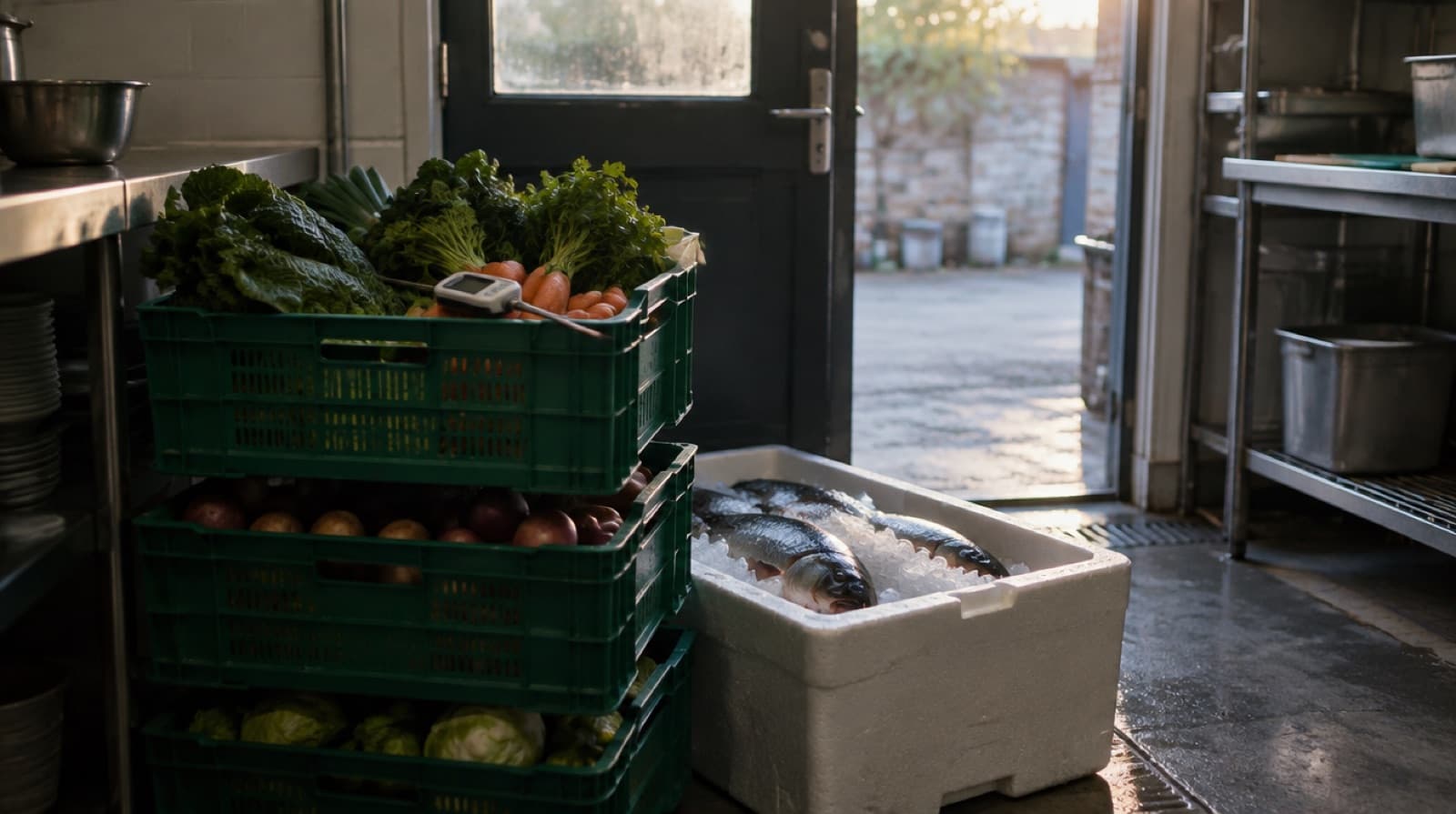
- Opening the kitchen: counting in the delivery line by line, probing chilled goods, rejecting anything that arrived warm or short.
- Setting the prep list for each section and checking the chefs de partie are on track before service.
- Cooking a section in service, frequently the one with the most pressure, or running the pass when the head chef is off.
- Counting stock, placing orders and chasing suppliers when something does not turn up.
- Writing or adjusting the rota, covering sickness, and often covering it personally.
- Keeping the temperature records, cleaning schedules and allergen matrix current.
- Closing down: checking every fridge is labelled and dated, the sections are clean, and the notes for the morning are written.
Hours tend to mirror the head chef’s, offset so that one of them is always present. Split shifts are common in kitchens that do lunch and dinner. Late finishes are part of it, because the sous chef is often the last senior person in the building.
Sous chef or head chef
The difference is ownership. The head chef decides the menu, sets the budget and is accountable when things go wrong. The sous chef carries it out, runs it in their absence, and feeds back what is and is not working. A sous chef may write specials and contribute dishes, but the menu is not theirs to change on a Tuesday. A sous chef who is quietly making all the decisions in a kitchen whose head chef has checked out is doing a head chef’s job on a sous chef’s pay, and should say so.
“Senior sous chef” is used in larger kitchens with more than one sous. It usually means the deputy with the most authority, who covers the head chef, and it sits above a junior sous chef.
Why a kitchen creates the job
Every kitchen that trades more days than one person can work eventually needs a second in command. The signs a kitchen has reached that point:
- The head chef has not had a full day off in weeks, because standards slip visibly when they do.
- Orders only get placed correctly when the head chef places them.
- Chefs de partie are good cooks but nobody below the head chef can make a decision in service.
- Training has stopped because the head chef has no time to do it.
Not every kitchen needs one. A small kitchen with a short menu and two or three chefs may do better with a strong chef de partie given extra responsibility and a small rise. A kitchen that is closed two days a week may find the head chef can cover the rest. The point to hire is when relying on one person has become a risk to the business rather than an inconvenience to them.
What venues want, and what they get
Venues hiring a sous chef want someone who can cook every section on the menu, run a pass, and keep a brigade working without shouting. An adequate sous chef can do that when the head chef has left clear instructions. A good one does it when the instructions run out: the fish order does not arrive, two chefs call in sick, and a party of twelve adds itself at seven. They adjust the menu, rearrange the sections, tell the floor what is off, and the head chef hears about it the next morning rather than by phone at eight.
Good sous chefs also teach. Much of a brigade’s skill is learned from the sous rather than the head chef, because the sous is the one standing next to the commis at prep.
The route in, and what comes after
Most sous chefs have been chefs de partie, and in larger kitchens junior sous chefs, first. The move to sous is less about cooking than about taking responsibility for other people’s cooking. From sous chef the natural step is head chef, either internally when the head chef moves on, or in a smaller kitchen elsewhere. Some sous chefs deliberately stay a year or two longer in a strong kitchen to learn costing and hiring before taking a kitchen of their own.
If you are writing the advert
Put the pay, the contracted hours and whether they are straight or split. Say how many chefs are in the brigade and how many covers the kitchen does on a busy night, whether the sous runs the pass on the head chef’s days off, and whether the kitchen shares in tronc. Sous chef candidates compare those details more than anything in the summary paragraph.
What kitchens are offering sous chefs right now: sous chef pay
The job a sous chef deputises for, and usually moves into: what a head chef does
Split shifts are common at this level. What they mean for your day: split shifts explained