Kitchen manager or head chef: what the kitchen manager job really is
A kitchen manager runs a kitchen to a menu written elsewhere: stock, labour, compliance and specs. Where the job exists and how it differs from a head chef.
Covers · · 5 min read
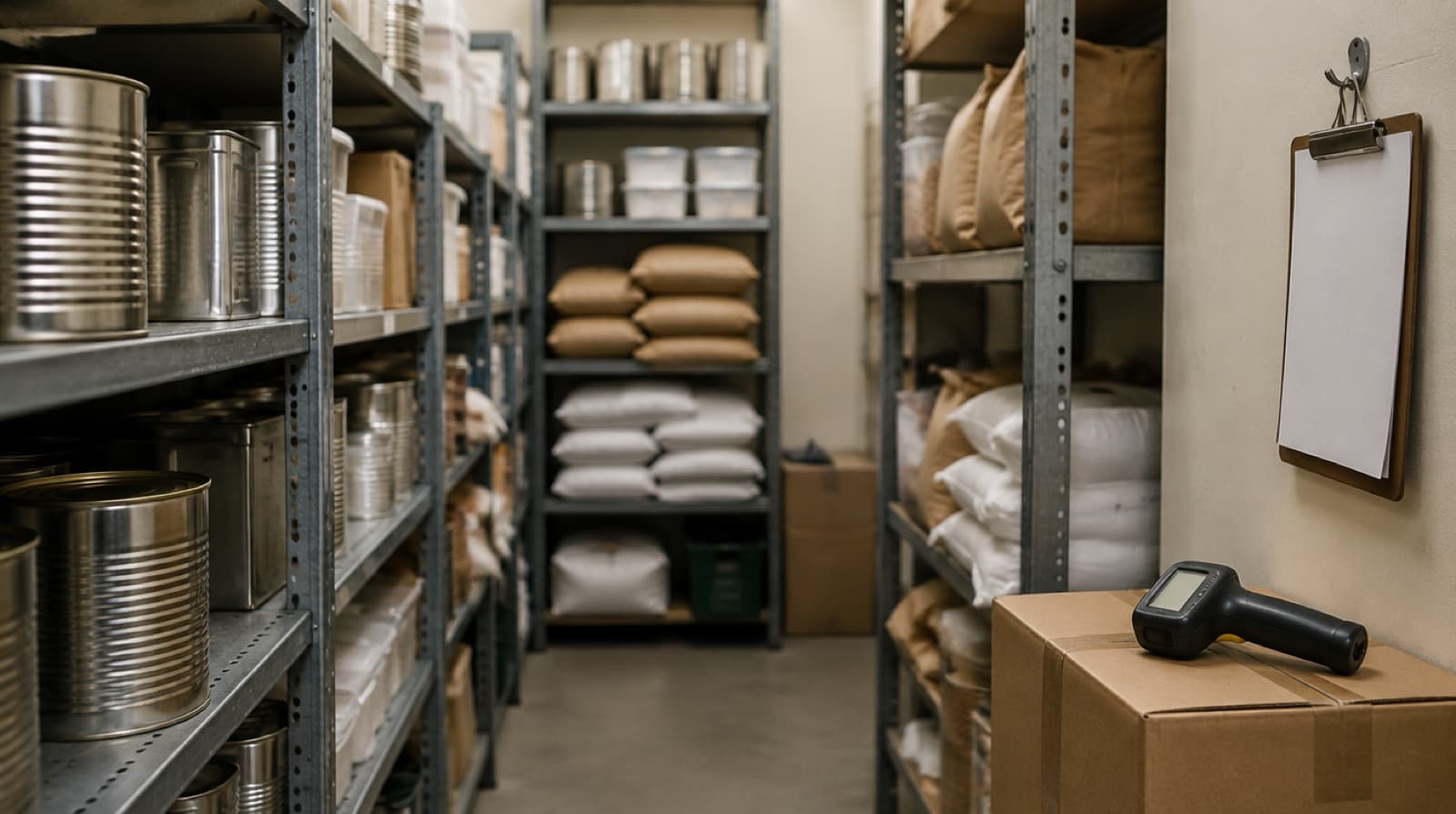
A kitchen manager is in charge of one kitchen, like a head chef, but the kitchen is run to a system rather than to a chef’s ideas. The menu, the recipes, the plate specs and often the suppliers are decided centrally. The kitchen manager’s job is to make that system work, every service, with the team they have and within the numbers they have been given.
The title is common in managed pub groups, restaurant chains, fast casual brands, contract catering, and hotels where the food is standardised across properties. It is rarer in independent restaurants, where the person running the kitchen usually writes the menu too and is called head chef.
Where the difference lies
People search for this because the two jobs overlap so much. Both run the brigade, the rota, ordering and hygiene. Both are the senior person in the kitchen. The difference is where the decisions come from and what the job is measured on.
- A head chef decides what is cooked. A kitchen manager decides how the set menu gets cooked well, on time and at the right cost.
- A head chef is judged largely on the food and the kitchen’s reputation. A kitchen manager is judged on audits, food cost against target, labour cost against target, hygiene rating, speed of service and adherence to spec.
- A head chef’s creative work is the menu. A kitchen manager’s is the process: prep lists, par levels, station layouts, training plans.
Neither is the lesser job. A kitchen manager at a busy branded site may run a larger team and a higher turnover than a head chef at a small independent, and the management skill it needs is considerable. It is a different job, and people who want to write menus tend to find it frustrating.
The working week
The bulk of the week goes on the group’s systems. Orders placed through an ordering platform against suggested quantities. Stock counts on a set day, with variances explained. Temperature checks and cleaning records entered on a tablet or in a due diligence folder. Labour planned against forecast covers, and adjusted when the forecast is wrong. New menu launches arrive as spec cards and a training pack, and the kitchen manager has to get every chef cooking the new dishes identically by launch day.
They still cook. On a busy Friday a kitchen manager is on a section or on the pass like anyone else, and in smaller sites they may be the main cook on several shifts a week. But the pressure points are as likely to be an area manager’s visit, a food safety audit or a stock result as a difficult service.
Why a business chooses this role
A business chooses a kitchen manager over a head chef when it wants the same food at every site and needs somebody who will deliver it rather than improve on it. The signs that a site needs one: the central menu is being quietly altered in the kitchen, food cost is off target with no explanation, audit scores are slipping, or the head chef keeps asking to change dishes the brand cannot change.
A business whose appeal is its chef should not hire a kitchen manager to save money. Guests who come for one person’s cooking notice when the kitchen is being run to a spreadsheet. And a single site with a simple menu and a capable owner on the premises may not need either, just a good lead cook and clear procedures.
Line management, up and down
Kitchen managers usually report to the site’s general manager day to day, with a dotted line to a group executive chef or food development team for standards. Below them sit a deputy or sous chef, section cooks and the kitchen porters. In a pub, the relationship with the general manager or licensee matters more than in most kitchens, because the kitchen’s numbers are part of the pub’s numbers.
The difference between adequate and good
An adequate kitchen manager completes the checks and hits most targets. A good one understands why the targets exist and finds the cause when one is missed: a portion creeping up on one dish, a delivery that is regularly short, a chef who is prepping too much on Mondays. They train new starters properly because staff turnover in branded kitchens can be high, and a site that trains well keeps its standards when people leave.
Food safety takes up much of the role. The kitchen manager is usually the person who keeps the food safety management system running and who deals with the environmental health officer on the day of an inspection.
Allergen rules apply to every dish on a branded menu too: allergen guidance for food businesses (food.gov.uk)
Routes in and onwards
Kitchen managers come from two directions: chefs who have been sous chefs or head chefs and prefer running a system, and people who have come up through branded kitchens as team members and shift leaders. From kitchen manager the paths lead to multi-site roles, such as area kitchen manager or group food trainer, or into general management of a site.
In the advert
Put the salary in, and if a bonus depends on audit scores or food cost, say which. Give the covers, the hours and days, whether the kitchen shares in tronc, and how much of the menu, if any, the kitchen manager can influence. That last point is what tells a head chef candidate whether they would be happy here.
Pay on current listings in this category: head chef and kitchen manager pay
The chef-led equivalent, where the menu is written in-house: what a head chef does
Every live listing, with its pay: browse jobs