What a prep chef does before anybody orders anything
A prep chef works through the prep list before service: stocks, sauces, butchery, veg and batch cooking, labelled and ready. What the job is and when it pays.
Covers · · 5 min read
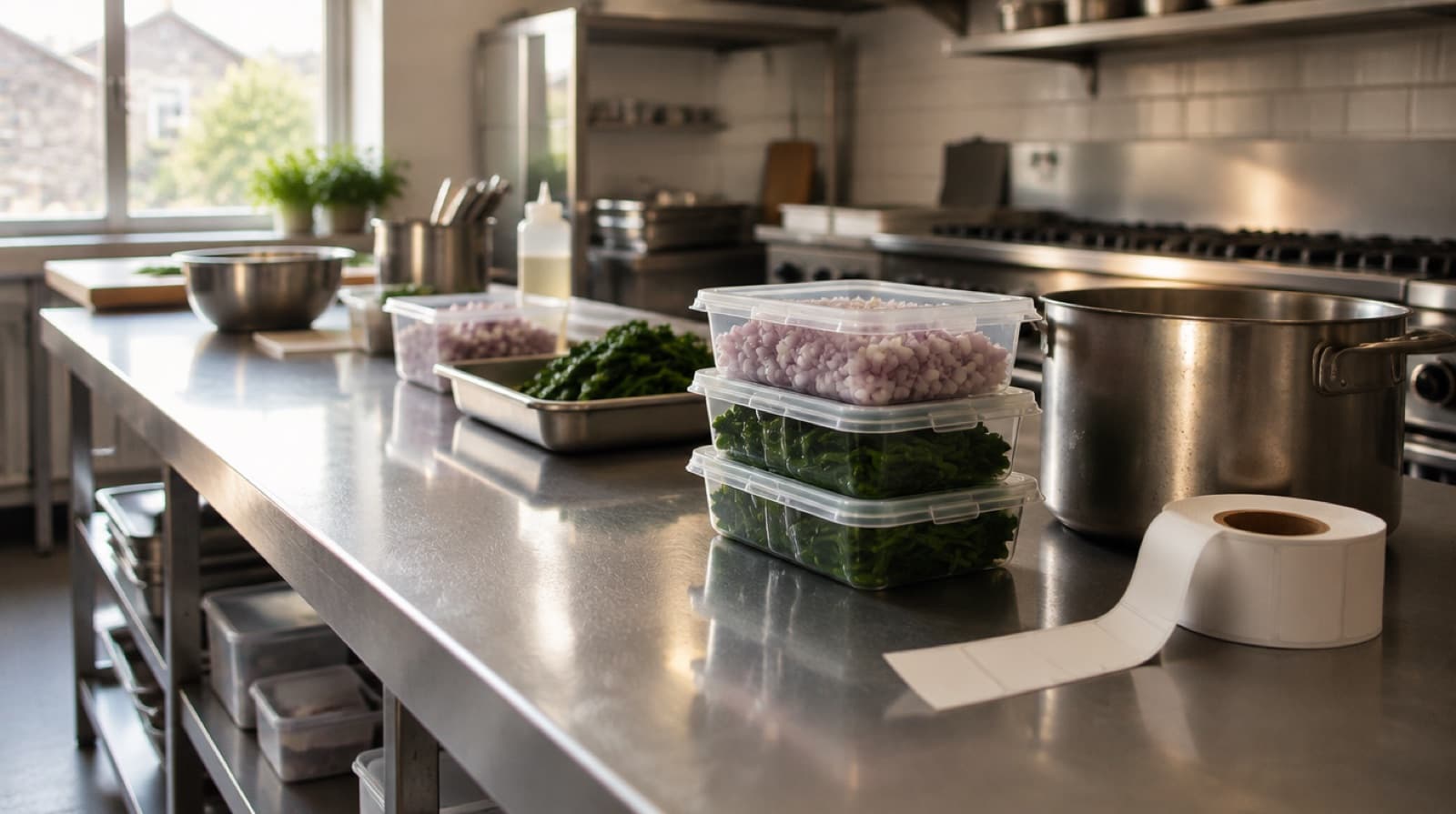
A prep chef, or prep cook, produces what the line will need during service, and usually is not there for service itself. The job is daytime, largely unseen by guests, and the reason a section chef can plate a dish in minutes that took hours to build. When prep is short, service goes wrong in ways that look like the line’s fault.
The prep list
Everything starts from the list. The sous chef or head chef sets par levels, the amount of each prepared item a section should start service with, and the prep chef checks what is left from yesterday against them and works out what to make. On a good day the list is clear and prioritised; on a bad day it is scribbled on a docket and the prep chef has to work out the order of play themselves.
- Stocks and sauce bases on the stove first, since they take longest.
- Vegetable prep: peeling, dicing, turning, blanching and refreshing.
- Butchery and fish prep to spec: portioning, trimming, marinating, vacuum packing where the kitchen does it.
- Batch cooking: braises, confit, purées, dressings, doughs, anything that can be made ahead and reheated or finished.
- Labelling and dating every container, rotating stock so older prep is used first, and filling the section fridges before the line arrives.
The prep chef also receives deliveries in many kitchens, checking temperatures and quality and putting stock away, and feeds back what is running low. The hours pattern is usually straight daytime shifts starting early, which is a big part of the job’s appeal to people who have done years of evenings.
What goes wrong without one
In kitchens without a prep role, section chefs come in during the afternoon to prep their own stations. That works until covers go up. Then chefs are still chopping when the first tickets arrive, prep is rushed and inconsistent, and a busy weekend empties the fridges by Saturday lunch with nobody free to refill them.
A venue has reached the point of needing a prep chef when the line chefs are routinely starting early or staying on unpaid to catch up, when consistency drops because five people prep the same garnish five ways, or when a second site or a delivery operation is being supplied from one kitchen. Central production kitchens for restaurant groups are essentially prep kitchens at scale, and prep chefs run them.
A small kitchen with a stable menu and afternoon quiet time can do perfectly well without one. So can a kitchen that simply rosters one of its commis on an early shift for prep. The case for a dedicated role is when prep is a full day of work every day.
Reporting lines
The prep chef takes the list from the sous chef or head chef and hands over to the section chefs when they come in, walking them through what has been done, what is still in progress and what could not be made. In larger kitchens there may be a prep team with a lead, supported by kitchen assistants and a kitchen porter. The prep chef rarely manages anyone, but they often train new commis in knife work and the kitchen’s standards.
A useful prep chef versus a great one
A useful prep chef works through the list. A great one reads it: spots that a bank holiday weekend needs double the stock, notices the purée recipe has drifted, flags that a delivery came in short before it becomes a problem at seven o’clock. They are fast and accurate with a knife, keep yield high by wasting little in the trimming, and follow recipes to the gram so the dish tastes the same whoever finishes it.
Discipline around food safety matters more here than almost anywhere, because everything the prep chef touches is held and served later. Cooling, labelling, storage temperatures and allergen separation are daily habits, and the prep chef is often the person who knows what went into each container better than anyone.
The allergen rules a prep kitchen works to: Food Standards Agency guidance
How people arrive, and where they go next
Some prep chefs are commis chefs learning the kitchen from the ground up. Others are kitchen porters who have picked up knife skills and moved over, or experienced chefs choosing daytime hours after years on the line. From prep, the next steps are onto a section as a commis or chef de partie, into a production kitchen role, or towards development work, where recipes are written and scaled for a group.
A clear advert
State the pay and the start and finish times, since daytime hours are the draw. Say what kind of prep it is: butchery and stocks in a restaurant, or batch production for several sites. Say whether weekends are included and whether the role shares the tronc with the evening team.
Pay advertised for section and prep chefs: see the pay page
The role many prep chefs step into, or come from: what a commis chef does
Kitchen roles open now: chef jobs